Why Captions Could Be the Secret Weapon in Your Ads
Published on
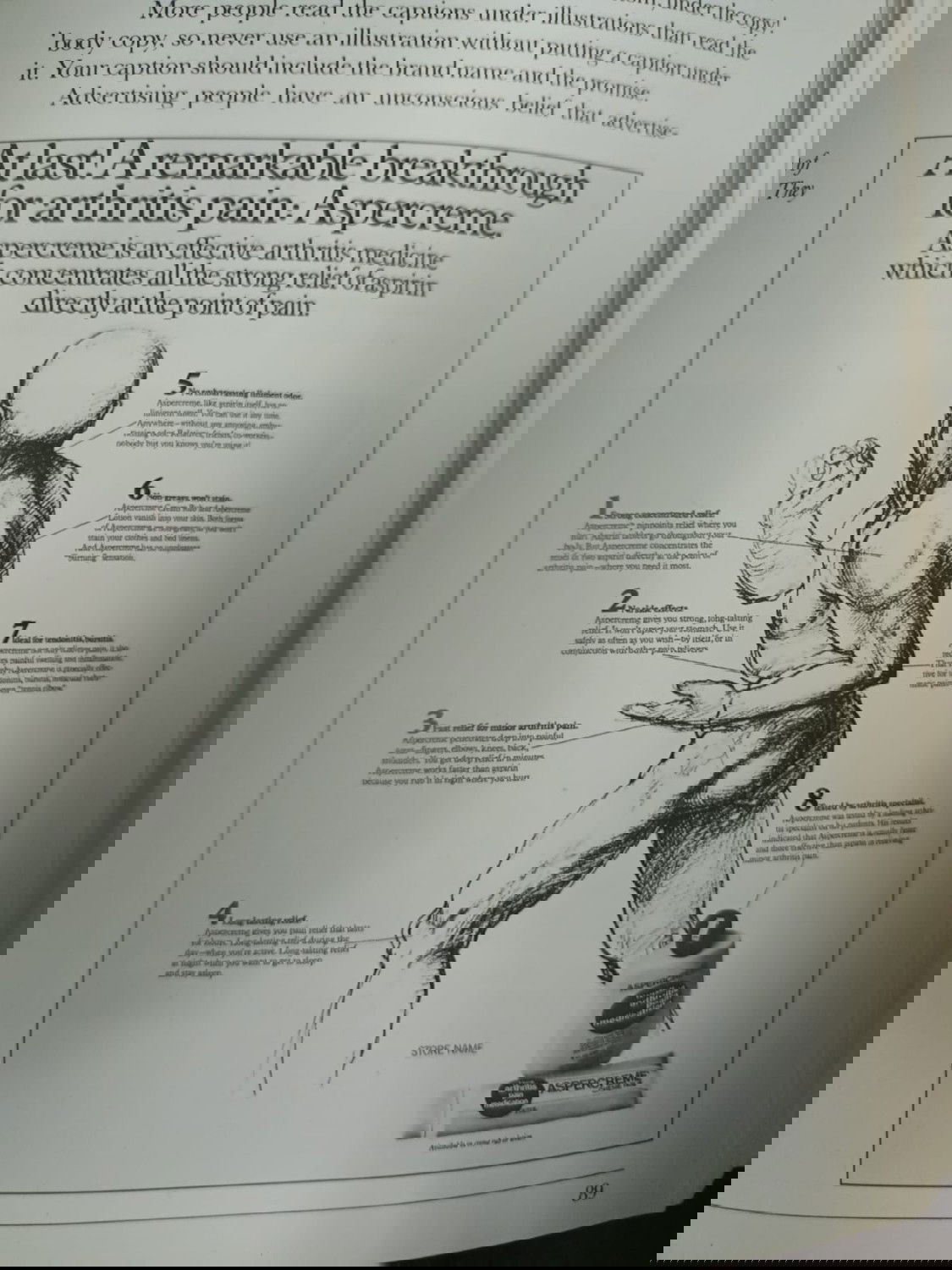
This image shows a classic advertising layout—the kind found in timeless copywriting books—featuring both illustrations and captions. The text emphasizes a golden rule of advertising: people often read captions under pictures before they read the main copy. It’s a fascinating look at how tiny details can drive massive engagement when used well.
The Psychology Behind It
Humans are visual creatures; our eyes go to pictures first. When a caption sits under that image, people instinctively read it because it feels small and easy to digest. Savvy advertisers know this is their moment to hook attention and guide the reader deeper into the story.
Key Takeaways from the Image
- Captions pull attention faster than headlines.
- Images with captions create curiosity that leads to reading the full ad.
- Well-placed illustrations humanize your message and break up dense copy.
Brands That Nail This Technique
National Geographic ads often use short, punchy captions under powerful photographs to spark curiosity.
Apple product pages pair sleek images with succinct captions that highlight benefits in one line.
Creative Variations
Analyzed by Swipebot
Loading analysis...