🎤 The SWIPES Email (Friday, January 16th, 2026)
Published on
Friday, January 16th, 2026
Sponsor: Get a free year of Framer for early-stage founders.
Swipe:
One of my hobbies is collecting great LOOKING pages, and great PERFORMING pages.
A fast way to get both is using Framer. Something like 250,000 live websites use it, and especially a ton of early stage companies.
One of the top converting versions of our sales page was made on Framer:
This was all made with Framer, even with live wins and post updates from my community on every load.
A thing I like about Framer is you can select a good looking template and just build off that. Just add titles, copy, images...and your website is ready (including mobile version automatically).
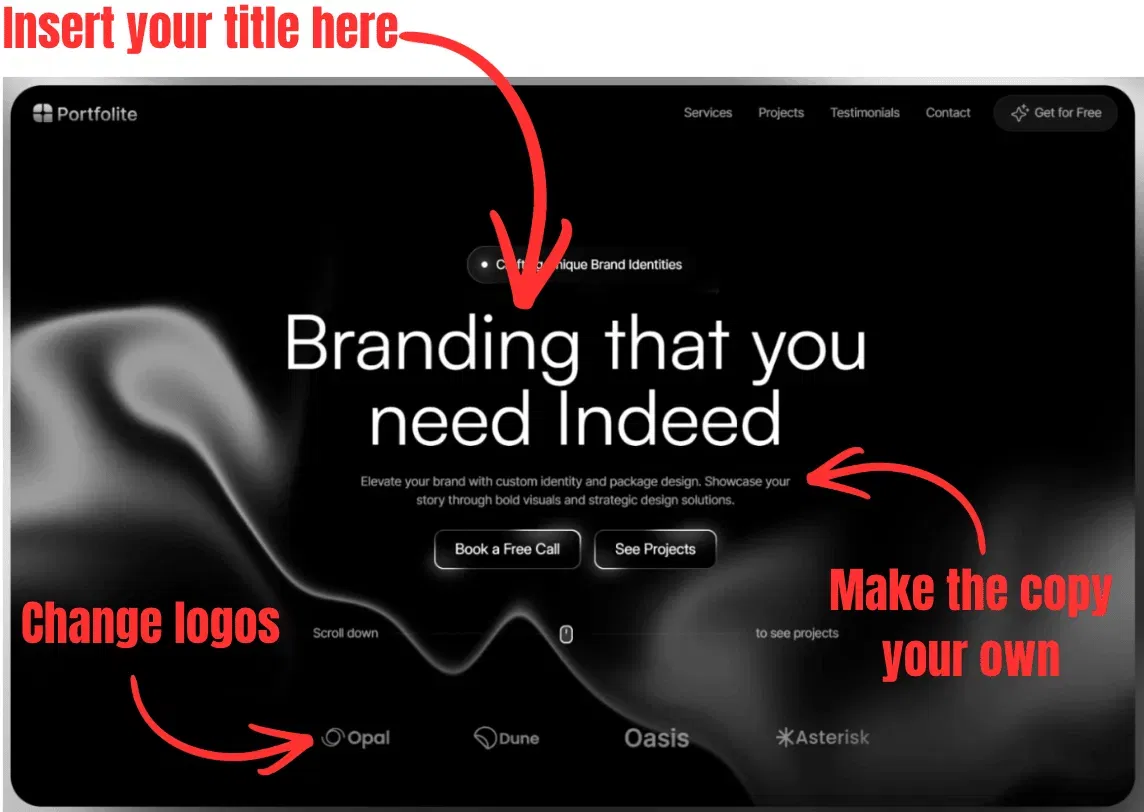
If you're a startup this is awesome because you can launch a beautiful, production-ready site in hours with no dev team. Join hundreds of YC-backed startups who launched here and never looked back.
Launch fast. Design beautifully. Build your startup on Framer, free for your first year:
One year free: Save $360 with a full year of Framer Pro, free for early-stage startups.
No code, no delays: Launch a polished site in hours, not weeks, without hiring developers.
Built to grow: Scale your site from MVP to full product with CMS, analytics, and AI localization.
Join YC-backed founders: Hundreds of top startups are already building on Framer.
Get Framer free for a year! -->
*Pre-seed and seed-stage startups, new to Framer.
Wisdom:
Noah Kagan simply copied a Shopify checkout page very closely, and AppSumo instantly saw a 13.01% conversion bump!!
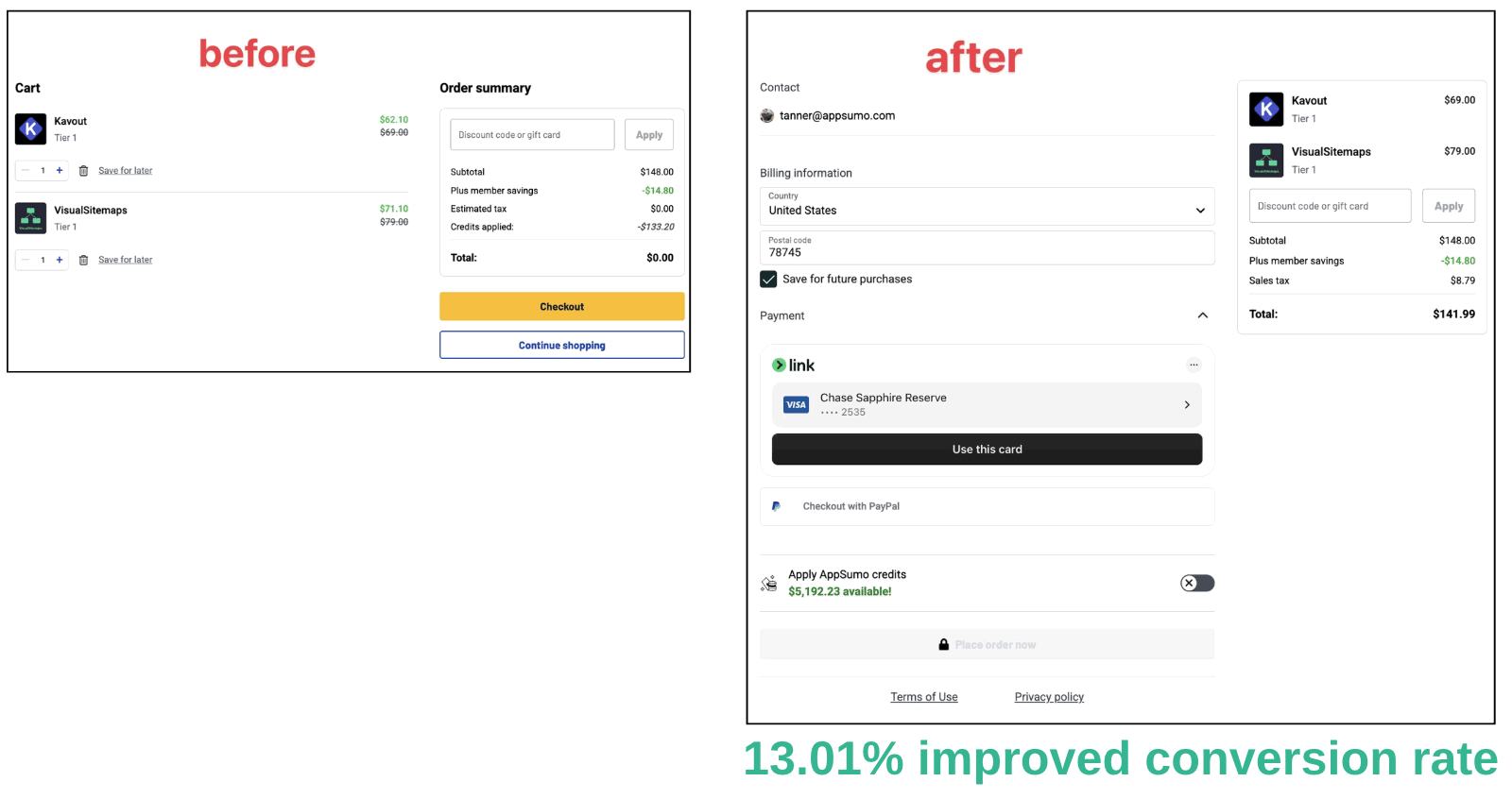
This is what he said:
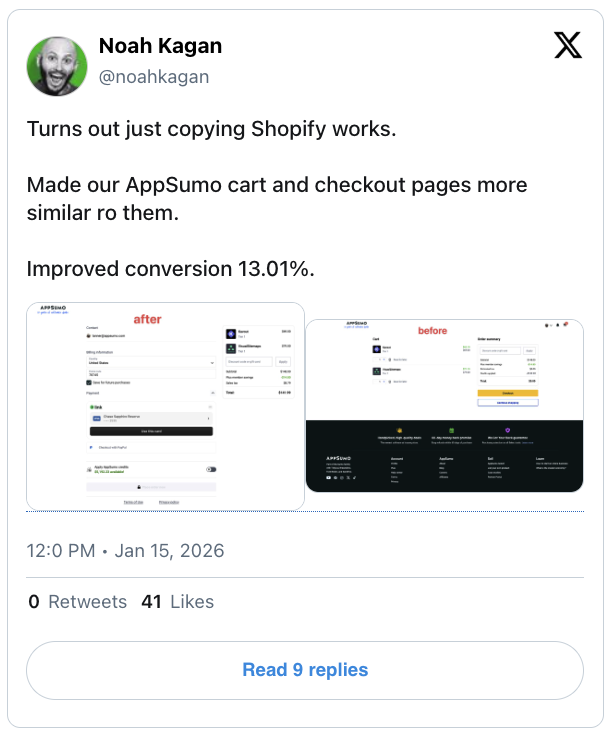
I love this, because so many times in my life I've tried to do the opposite of what everyone is doing and be crazy with it......which isn't bad....
BUT SOMEEEETTIMMEESSS if everyone is doing checkout pages the same way, it might mean that it just converts really well in that style.
Interesting:
If you wanna be a prolific emailer and send out a ton of GREAT emails like this guy blasting the out every week:
.....you likely should set up an email sequence for people new to your email list.
The reason is that "typical marketing" is just people trying to constantly sell a product, and then people get tired of your emails....like this:
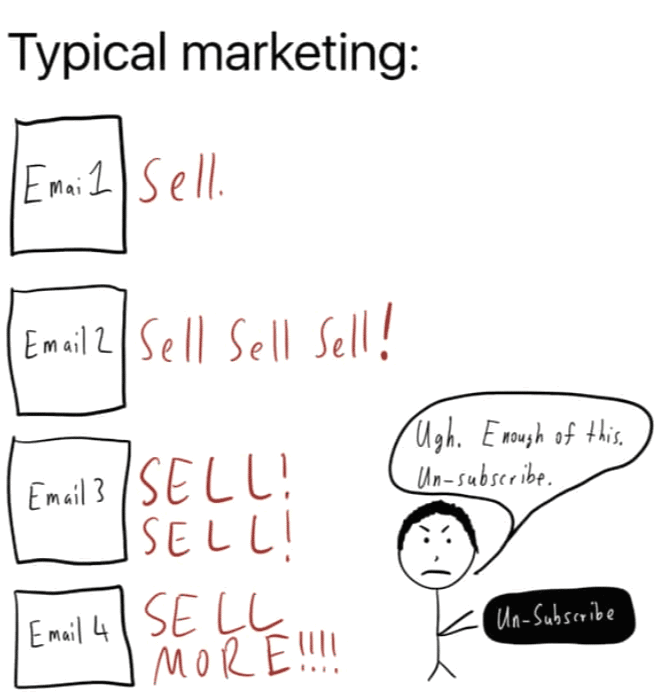
Instead, if you send emails people ACTUALLY WANNA CONSUME then you have a far better chance of them staying on board and reading for years.
So when I make a banger email, I'll often add it to my Kit email sequence, so new subscribers will get amazing stuff first before I ever try to sell anything. This is "helpful" marketing:
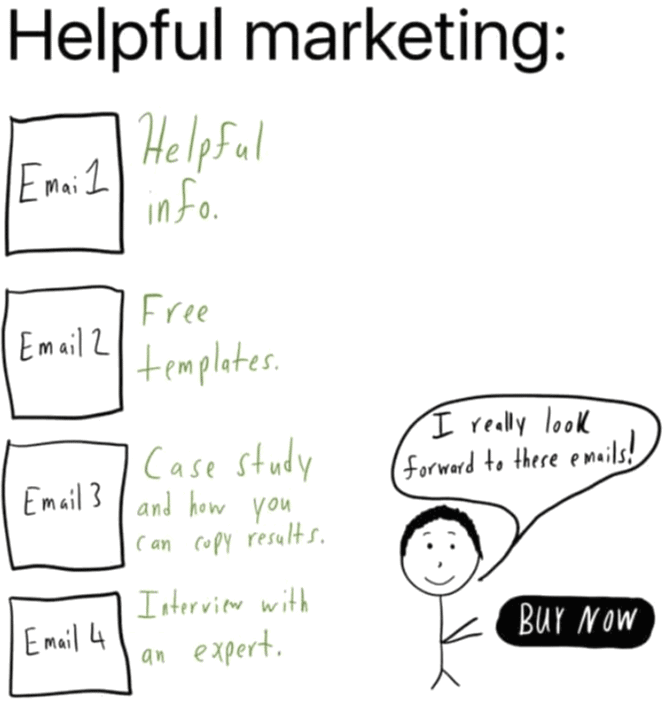
This method means that people might read my emails for YEARS, and one day finally buy something that interests them.
Picture:
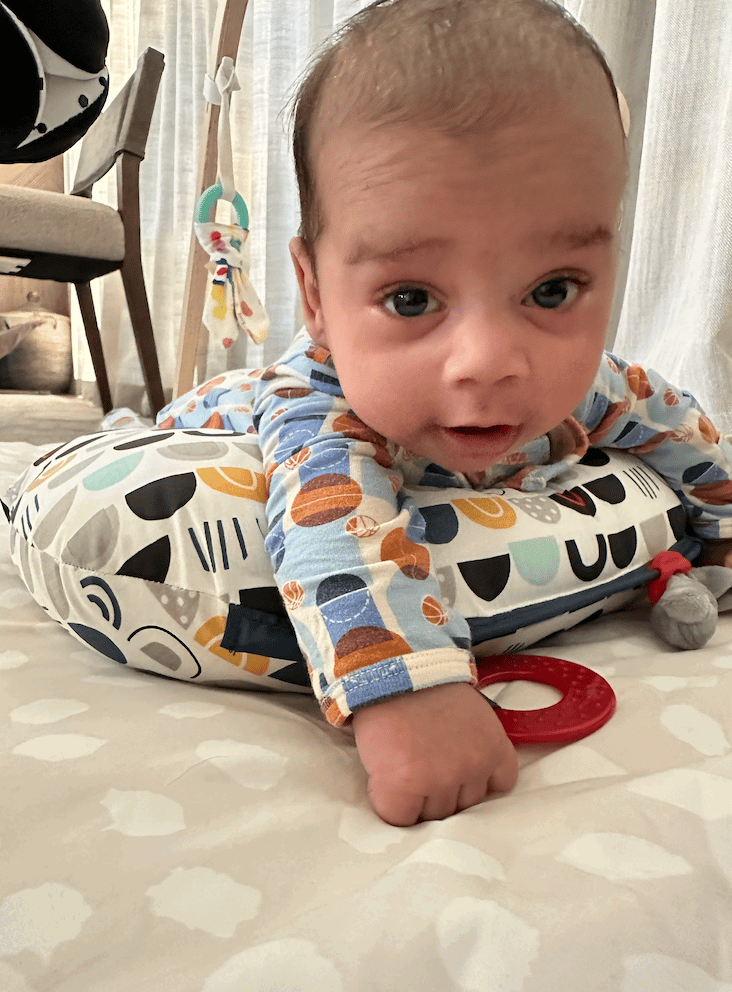
A big fun part of my life lately has been hanging out with my 9 week old baby boy, and he's such a fun little guy!
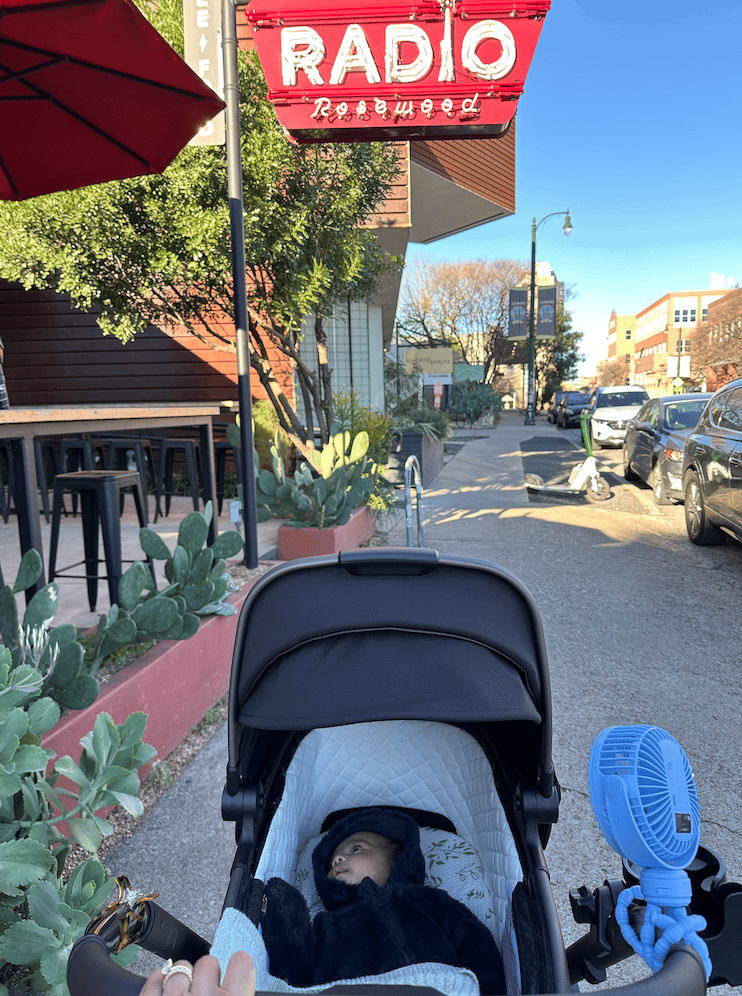
We go out for walks with him all the time in the stroller:
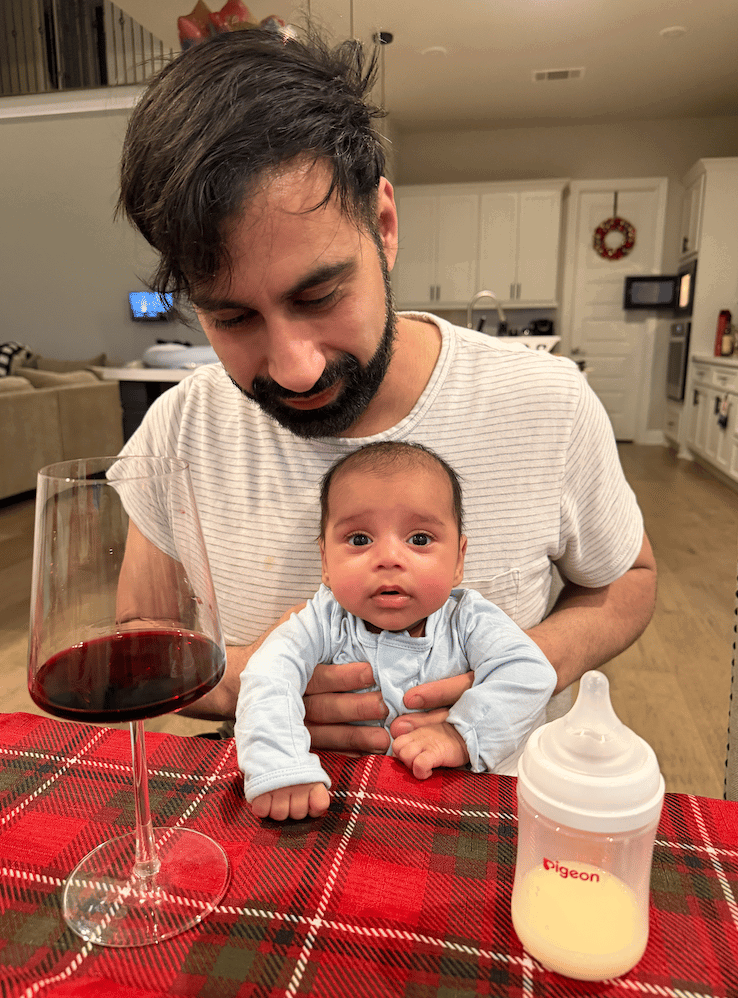
I love pics when it looks like he's doing adult things like sitting at the table or drinking wine 🤣
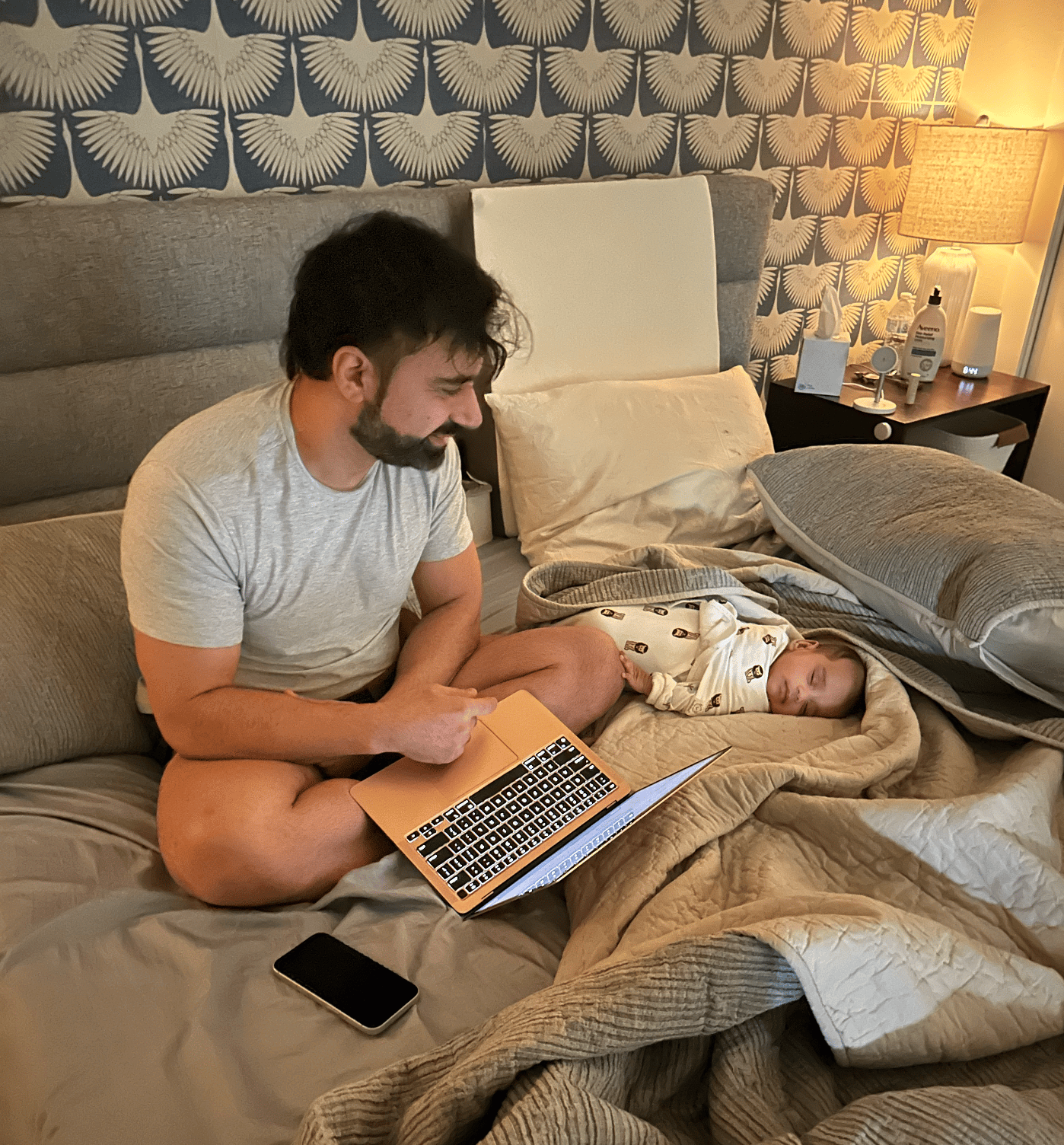
Here's me getting some work done in his room while he naps near me:
I put him in a box for a picture and he was like "whhaa?!" 🤣
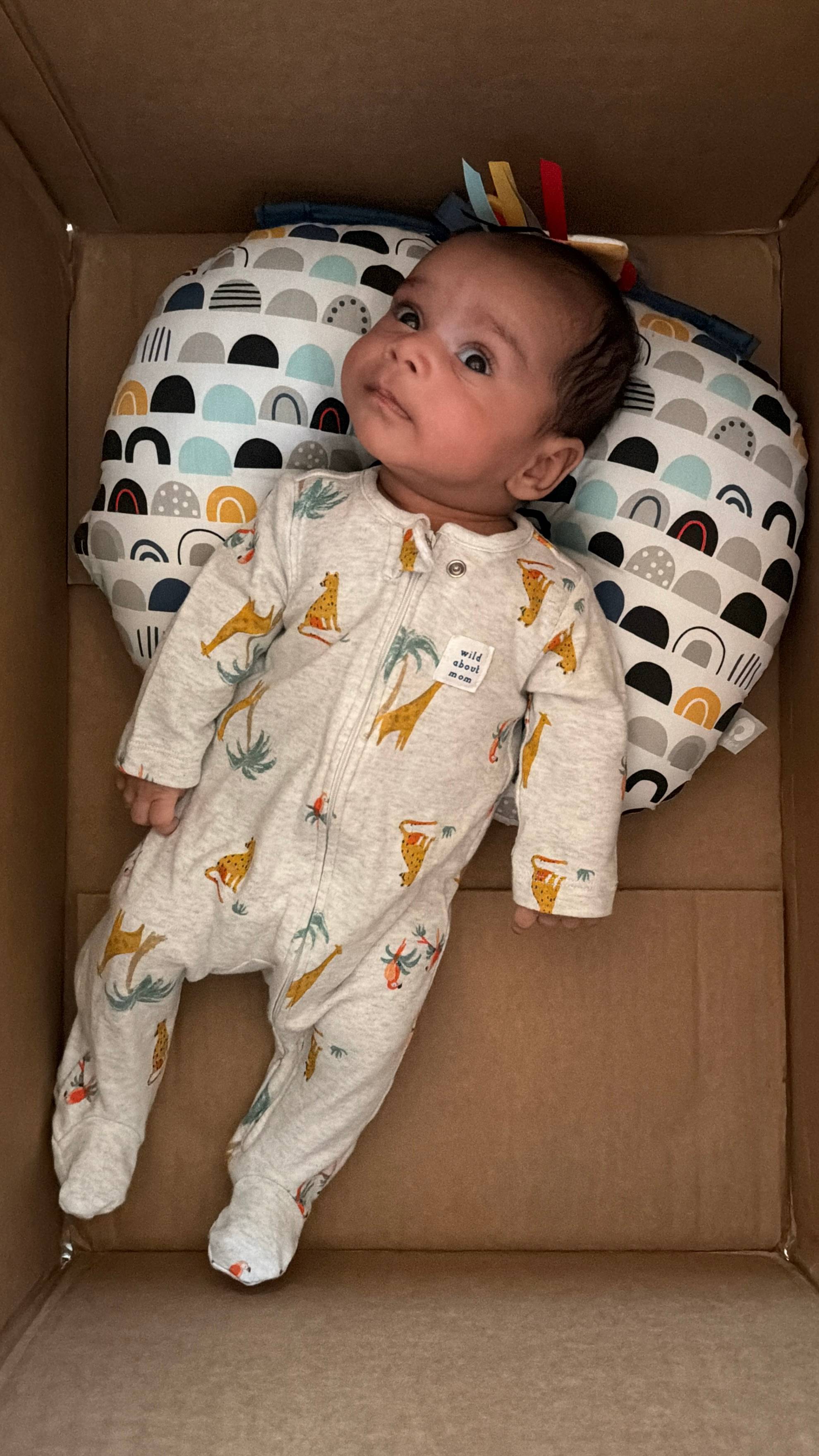
It's been fun having my little buddy around all the time!!
Essay:
This was an interesting (and kind of long read) by Greg Isenberg about "AI slop" - the flood of generic, AI-generated content saturating the internet.
His insight is when everything feels mass-produced, differentiation and trust shoot up in value.
Here is the essay fully reproduced (don't blame me for lack of punctuation I'm just reproducing it as is)!!
in a world where AI slop is everywhere and it’s easier than ever to build software
what goes up:
the value of known celebrities goes up
the value of dotcoms goes up
the value of strong distribution channels goes up
the value of proprietary data goes up
the value of taste and curation goes up
the value of trusted brands goes up
the value of community-built products goes up
the value of niche media companies goes up
the value of unique insights goes up
the value of timeless design goes up
the value of governance and trust layers goes up
the value of asymmetric access (exclusive deals, private data sources) goes up
the value of “un-Googleable” expertise goes up
the value of anti-fragile business models (cash flow > valuation) goes up
the value of contracts and legal protections goes up
the value of real-world distribution (retail, events, meetups) goes up
do you agree?
what goes down:
the value of generic ai wrappers goes down
the value of low-barrier saas clones goes down
the value of undifferentiated agencies goes down
the value of fake followers and bots goes down
the value of hype-only launches goes down
the value of thin moats built on api arbitrage goes down
the value of me-too newsletters goes down
the value of mid-tier influencers without trust goes down
the value of average content goes down
the value of faceless brands goes down
the value of low-effort meme pages goes down
the value of audiences without trust goes down
the value of design mimicry (clone aesthetics) goes down
the value of top-of-funnel vanity metrics goes down
do you agree?
Observations:
This is a trust compression moment not just a "tools got better" moment. When software becomes cheap and abundant, the human brain flips its filtering strategy. People stop asking “is this possible?” and start asking “who is behind this?” and “why should I believe this will work for me?” That’s why brands, communities, and known operators quietly matter more than raw features. Trust becomes the real onboarding.
There’s also a timing effect people underestimate. In a world flooded with AI output, speed to market matters less than speed to clarity. The winning remove doubt faster. They feel opinionated, narrow, and almost stubborn. They trade breadth for conviction. This is why niche products feel calmer and convert better: they reduce decision fatigue instead of contributing to it.
Another subtle shift: distribution is about repetition. Seeing the same idea, tool, or person show up consistently across contexts builds familiarity faster than any single viral spike.
This favors founders who think like media operators and media operators who think like product builders. The loop tightens when content isn’t just marketing, but proof of work, proof of thinking, and proof of continuity.
Fiiiiinally, the biggest unlock is psychological. When everything looks copyable, people stop competing on originality and start competing on alignment. Who understands my situation? Who speaks my language? Who feels like they’re building with me, not at me? That alignment is hard to manufacture and impossible to scale with ads alone. It’s earned slowly, then compounds quietly.
This is why niche ideas will work really well in 2026 and beyond. And why more startup ideas work now than ever (and why you should sign up to Ideabrowser to get the creative juices flowing with startup ideas, trends etc)
TLDR;
this is the new normal. AI slop, AI slop everywhere.
what’s happening underneath this list is a quiet inversion of how value is created.
but if you look closely, there is tons of arbritrage in an AI slop world
and that fires me up.
I choose to look at the glass half full. Yes there is AI slop everywhere but...
it's time to build.
Splurge:
Here's something interesting and juicy, these are the ad rates from a company called AdAge for some of their different newsletters:
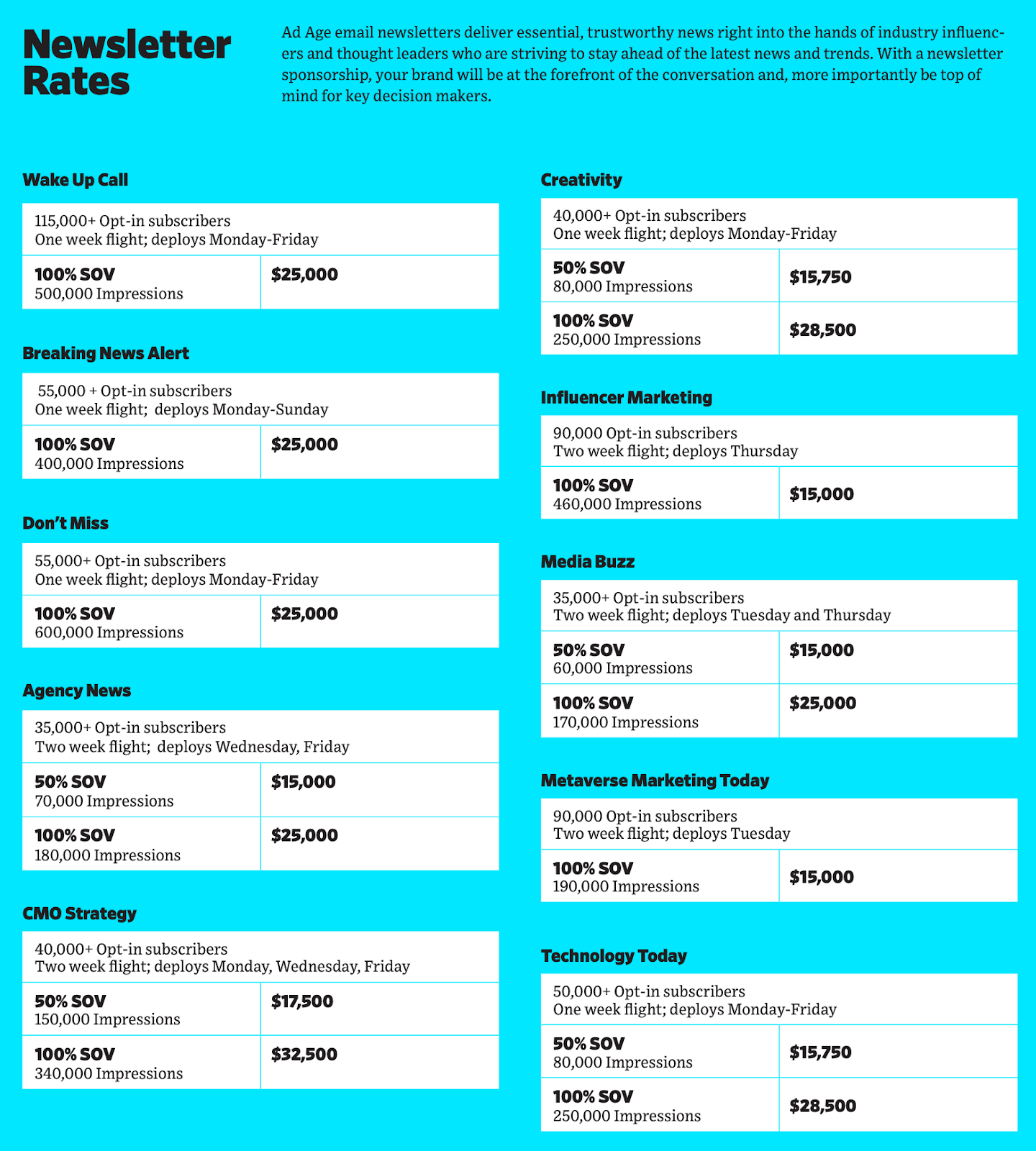
$15,000 in Influencer Marketing email list, 90,000 subscribers, runs for 2 weeks.
$25,000 in Wake Up Call email list, 115,000 subscribers, runs for 1 week
$25,000 in Breaking News Alert email list, 55,000 subscribers, runs for 1 week.
$25,000 in Agency News email list, 35,000 subscribers, runs for 2 weeks.
$28,500 in Creativity email list, 40,000 subscribers, runs for 1 week.
$28,500 in Technology Today email list, 50,000 subscribers, runs for 1 week.
$32,500 in CMO Strategy email list, 40,000 subscribers, runs for 2 weeks.
Normally you don't get to see how much money a company is making from email sponsorships, so it's kind of interesting to see peek behind the kimono.
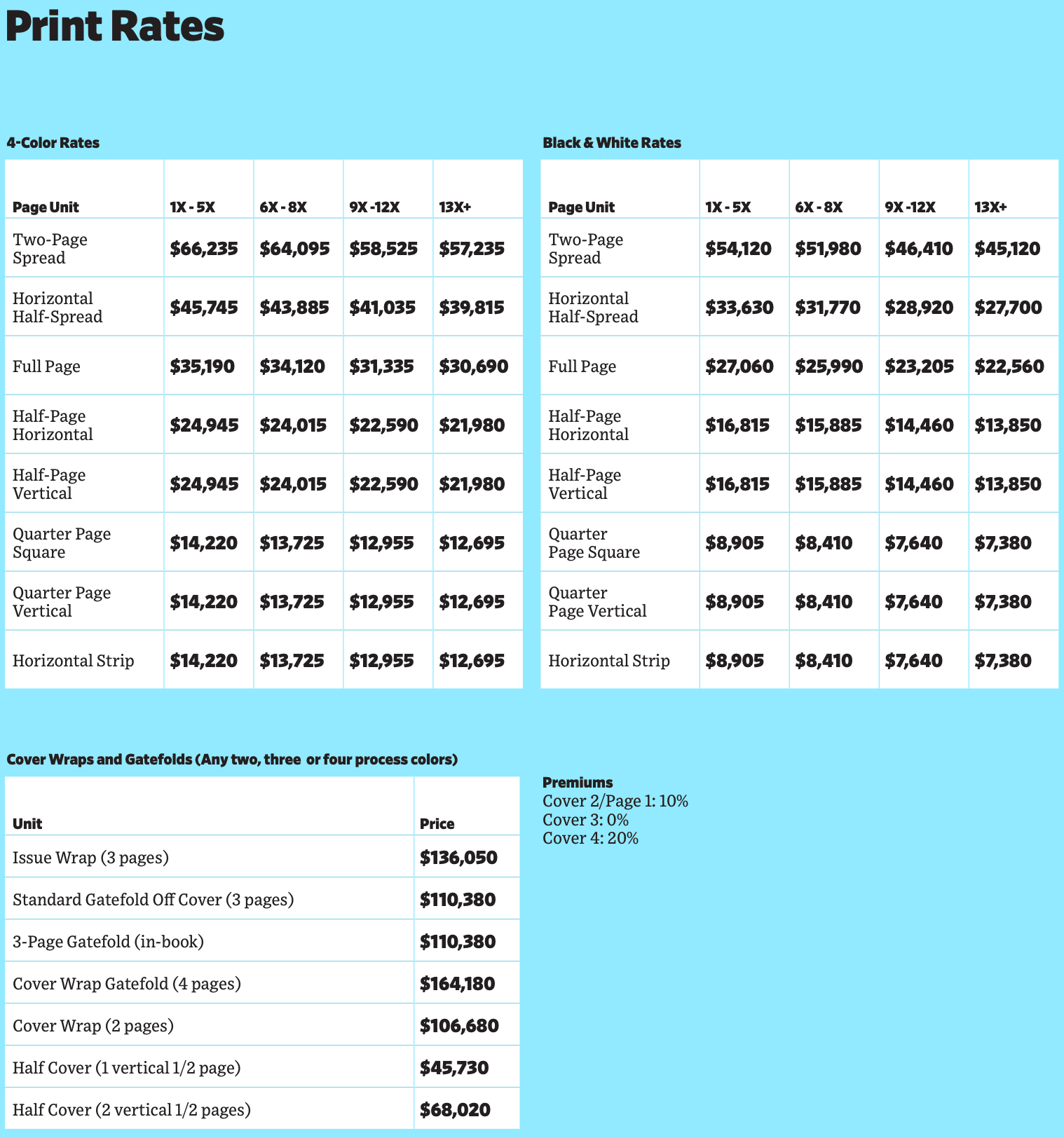
Also it shows that having a B2B publication that a whole industry reads could potentially be lucrative.
For example look at their print ad rates:
Hope you have a great weekend,
Sincerely,
Neville Medhora

Analyzed by Swipebot
Loading analysis...
.png?width=3840&quality=80)