Charge 90 Percent More: AI-Native Agencies Sell Outcomes
Published on


1/3
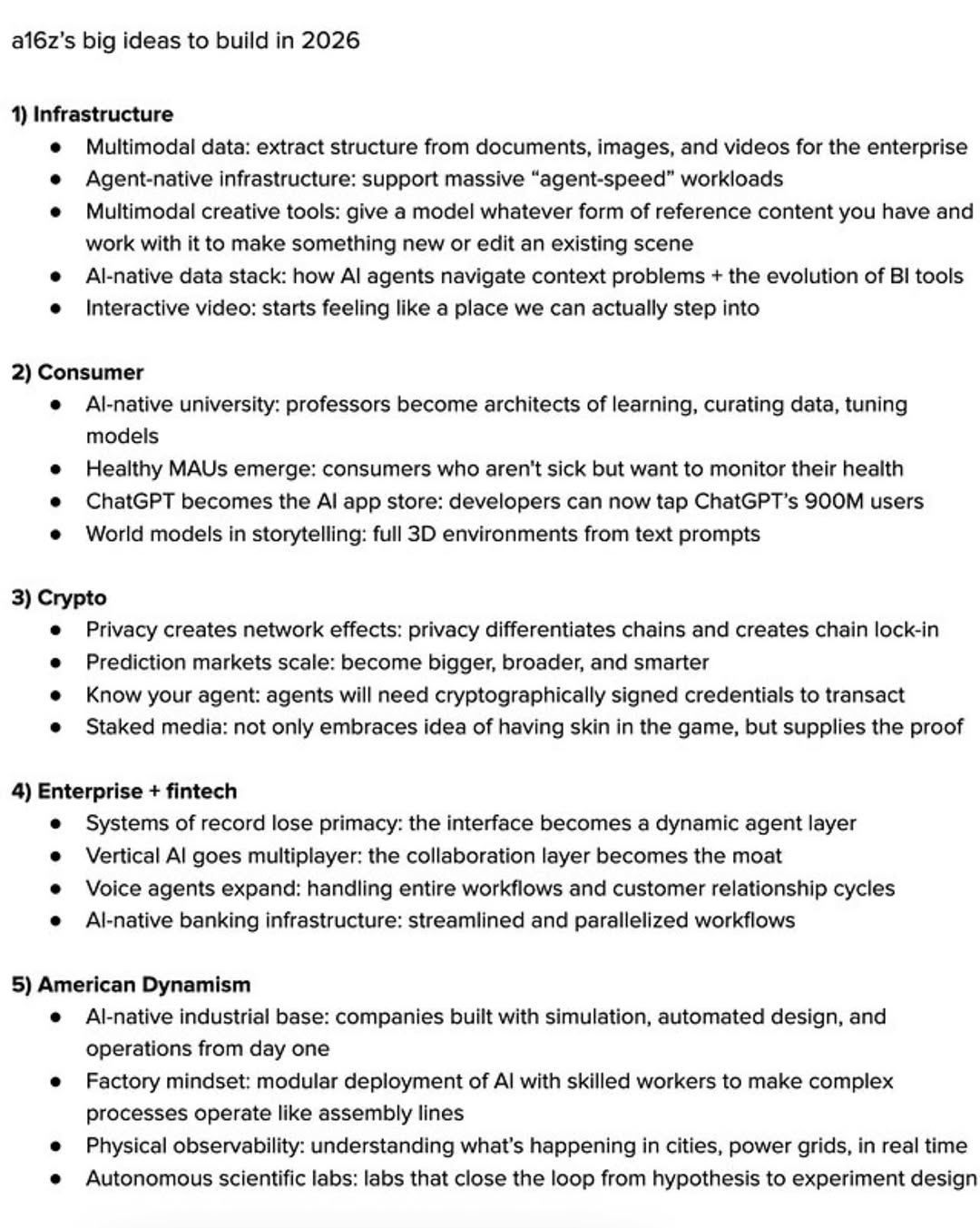
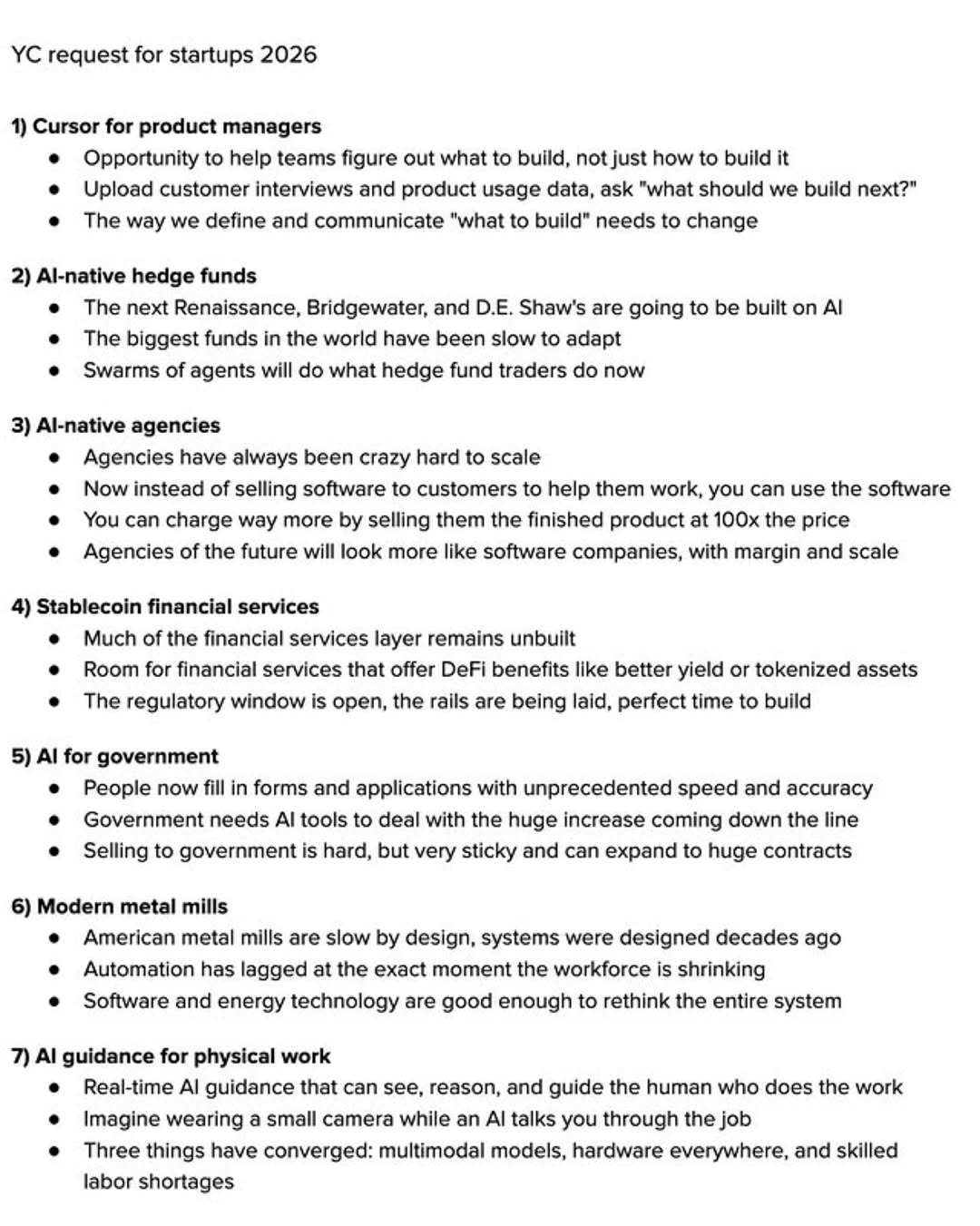
VCs just leaked the cheat code for the next wave of agencies: stop selling hours and software, start selling finished outcomes. The a16z and YC slides in this post make it painfully clear: the big money in 2026 goes to AI-native shops that look more like product companies than service firms. If your agency can plug into this shift, you can justify 90 percent higher prices without sounding insane. Here is how to read those slides like a playbook, not a prediction.
Turn Your Agency Into an AI-Native Outcome Machine
Translate one painful client result into a guarantee: instead of "we run ads," promise "we generate booked demos" or "we cut support tickets 40 percent." Then quietly wire agents and automations behind the scenes to deliver that promise the same way every time. Productize the workflow into a named package with fixed scope, fixed timeline, and a measurable before/after metric. Price against the value of the outcome, not your internal cost. The more boring and repeatable your system, the easier it is to defend those fat margins.
The Psychology Behind Outcome-Based AI Agencies
- Investors highlight “agent-native infrastructure” and “AI-native agencies” because buyers hate managing tools and love buying certainty.
- The YC slide literally says you can sell the same work at 100x the price when you deliver the finished product, not the software.
- Outcome promises reduce mental load: a VP can approve “10 qualified meetings a week” faster than “access to an AI sales platform.”
- AI agents kill the old scaling constraint; margins shoot up when extra revenue no longer needs extra humans.
- Positioning as a software-like system with repeatable workflows makes clients assume durability, not freelancer fragility.
Who Is Already Selling Outcomes With AI

AgencyAI Labs promises B2B clients a minimum number of qualified sales calls per month by stitching together lead scraping agents, outbound email models, and calendar bots into one done-for-you pipeline.

FactoryFlow uses computer-vision agents on the factory floor and charges manufacturers a percentage of the scrap and downtime it eliminates, not a fee for access to its software.

TaxPilot sells small businesses an annual tax-savings number up front and then runs a swarm of AI agents to comb through books, codes, and filings to hit that target.
Creative Variations
Analyzed by Swipebot
Loading analysis...