Slash 44 Clicks by Questioning Assumptions
Published on

994
22
3takeaways Why Buying a Tesla Was Harder Than Ordering a Pizza Sometimes innovation starts with a ridiculously...
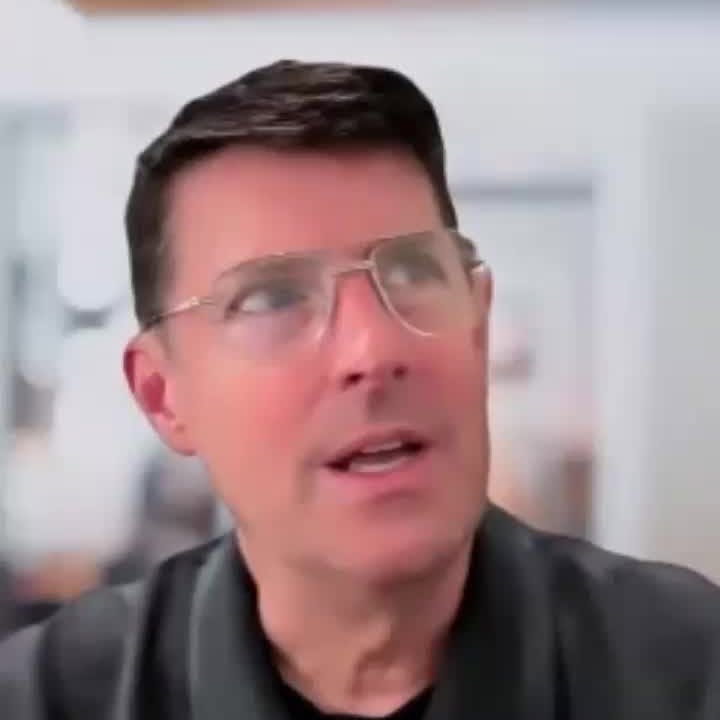
The clip screenshot says it all: someone staring slightly upward, clearly thinking, not selling. That single expression captures the real work of innovation: slowing down long enough to ask, “Wait…why do we do it this way?” If buying a Tesla can go from 64 clicks to near pizza-level simplicity, your onboarding flow, proposal process, or checkout probably has the same bloat. The fastest way to ship a better experience isn’t more features, it’s killing stupid assumptions.
From 64 Clicks to 20: The Domino’s Test
In the Instagram reel, the host talks through how comparing a Tesla purchase to ordering a Domino’s pizza exposed 44 pointless clicks. Those clicks weren’t mandated by regulators; they were just inherited habits sitting in dusty loan and lease paperwork. The key move wasn’t a fancy design sprint, it was a dumb-sounding comparison: “Why is a $60 pizza easier to buy than a $60,000 car?” Once that question hit the table, every extra document and step had to justify its existence or get deleted.
How to Slash 44 Clicks in Your Own Funnel
- Run the “pizza test”: compare your process to something your customer can complete in under 10 taps (food app, Uber, Amazon buy-now).
- Print your current flow, then circle every step that exists “because legal said so” or “that’s how we’ve always done it.”
- Separate true requirements from traditions by asking your legal/ops team, “Show me the actual rule that forces this step.”
- Design a version with 50% fewer steps, then test it in a tiny segment before rolling it out everywhere.
- Make one person the owner of removing friction every month, with a simple KPI: steps, clicks, or fields eliminated.
Who’s Already Questioning Assumptions?
Domino’s turned pizza ordering into a 10-click, trackable experience that quietly raised the bar for every other online purchase.
Tesla reworked its online purchase flow by challenging which loan and lease documents were actually required, dramatically cutting clicks.

Amazon made one-click purchasing a default, forcing entire industries to explain why their checkout still feels like a tax return.
Analyzed by Swipebot
Loading analysis...