Stories Don't Grow Sales, Customer Stories Do
Published on




1/9
2.1K
955
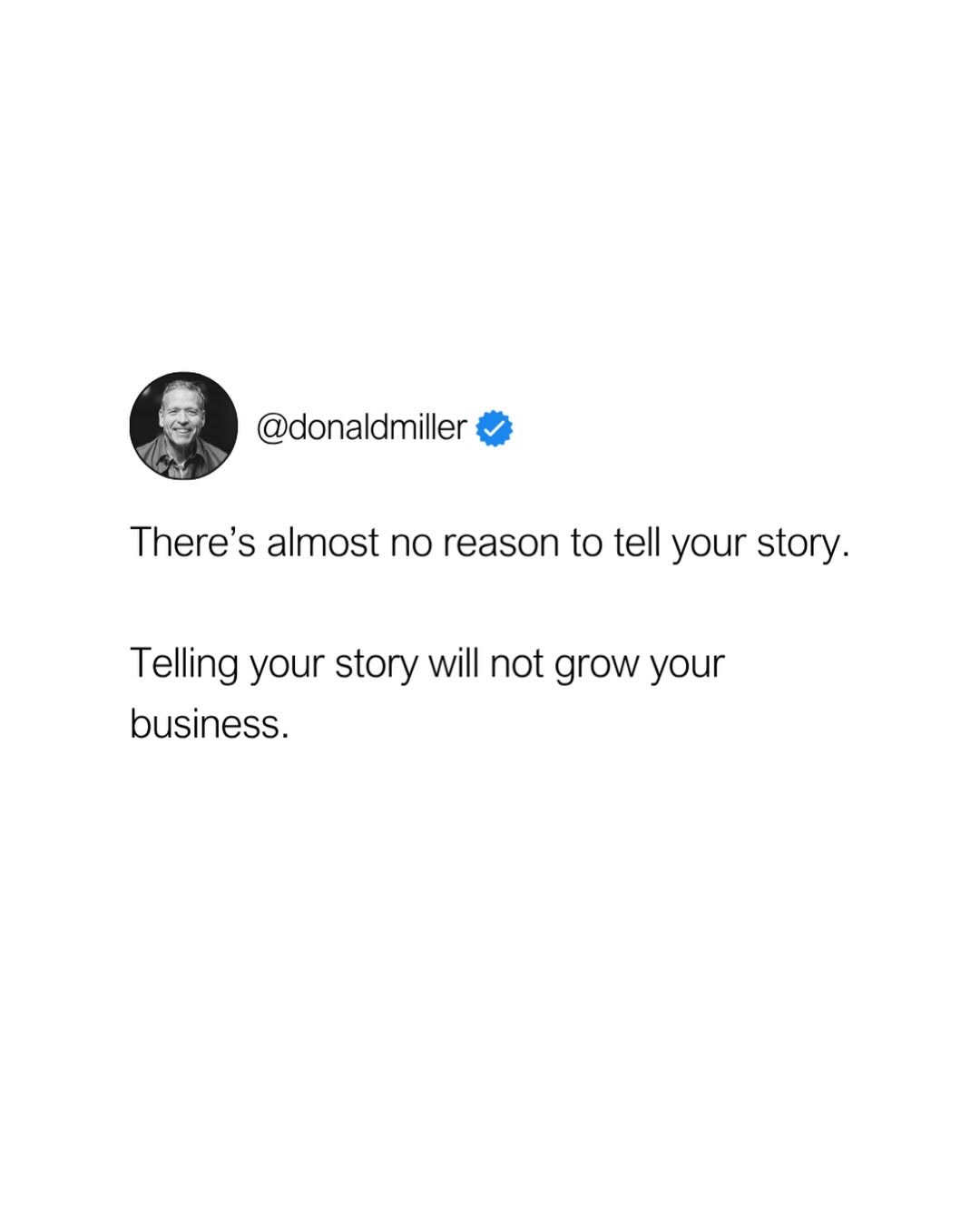
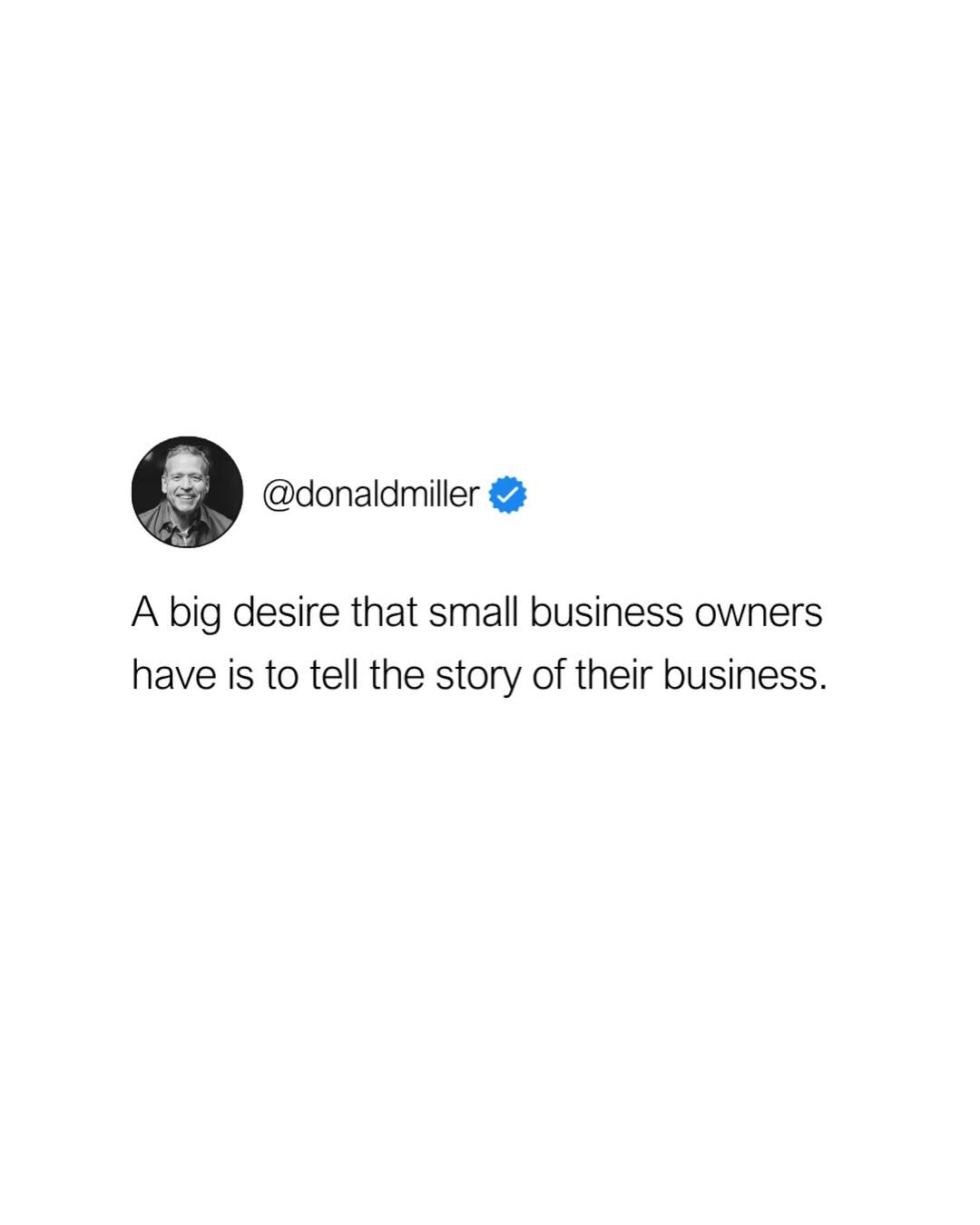
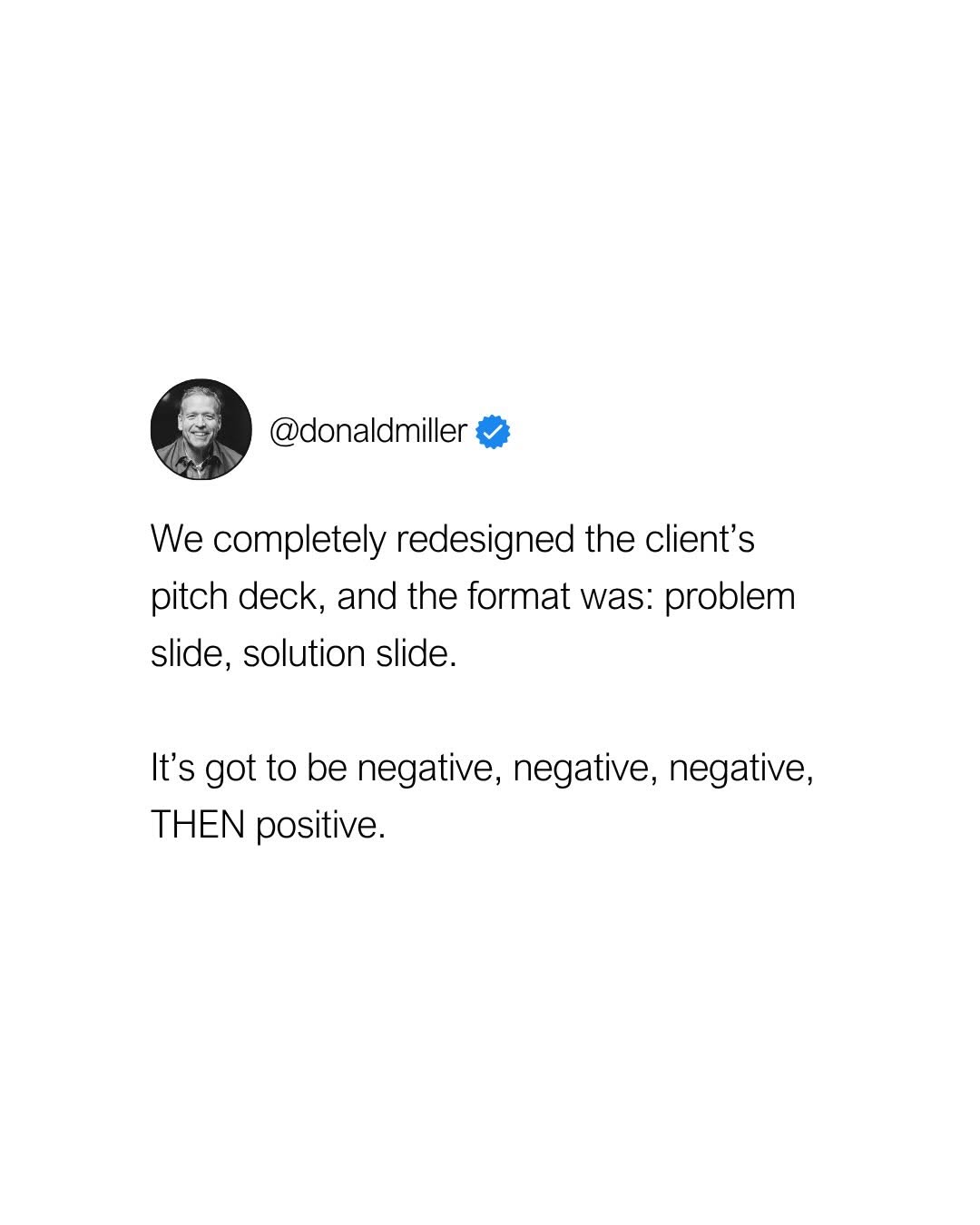
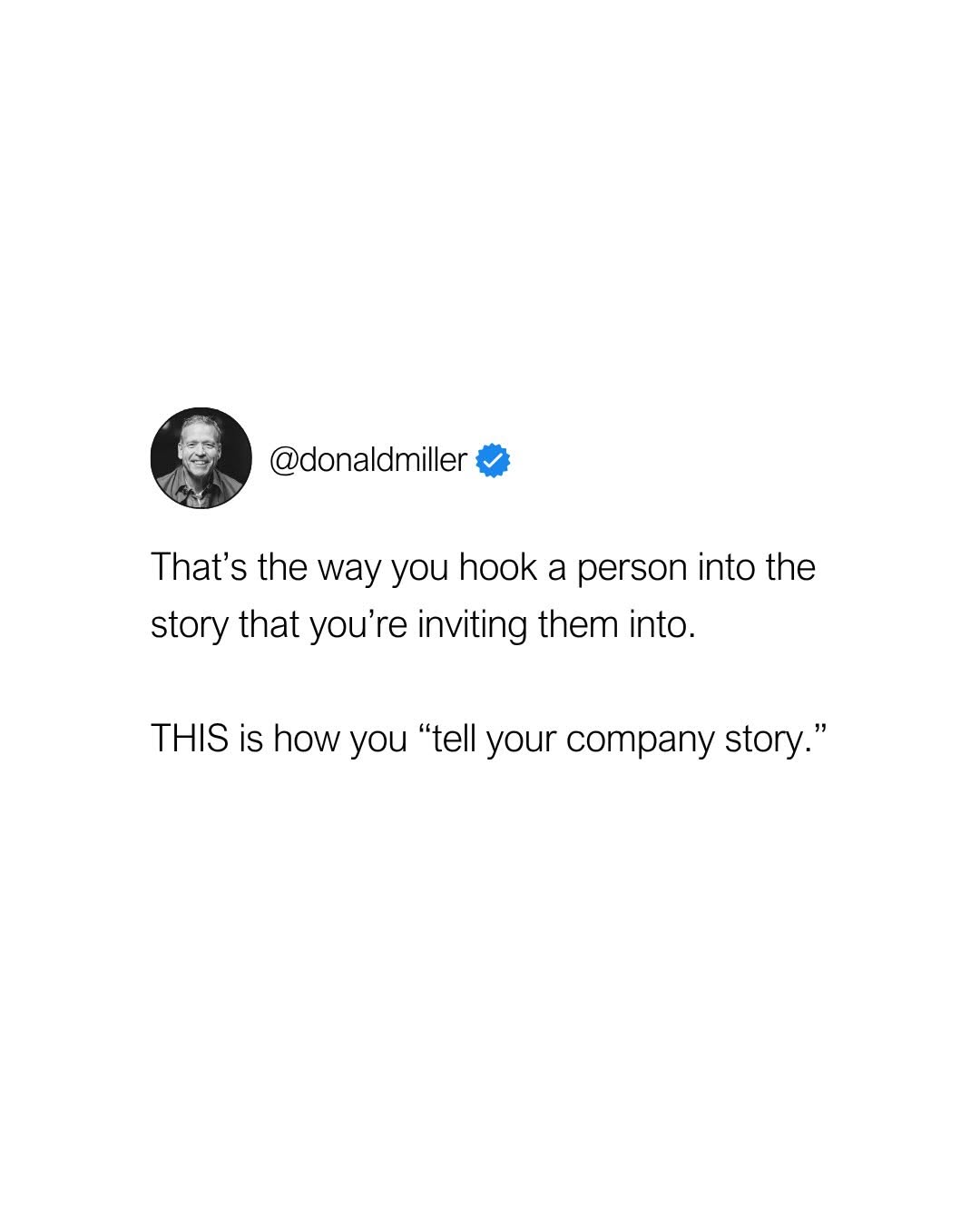
storybrand There’s almost no reason to tell your story… UNLESS you tell it like this ➡️
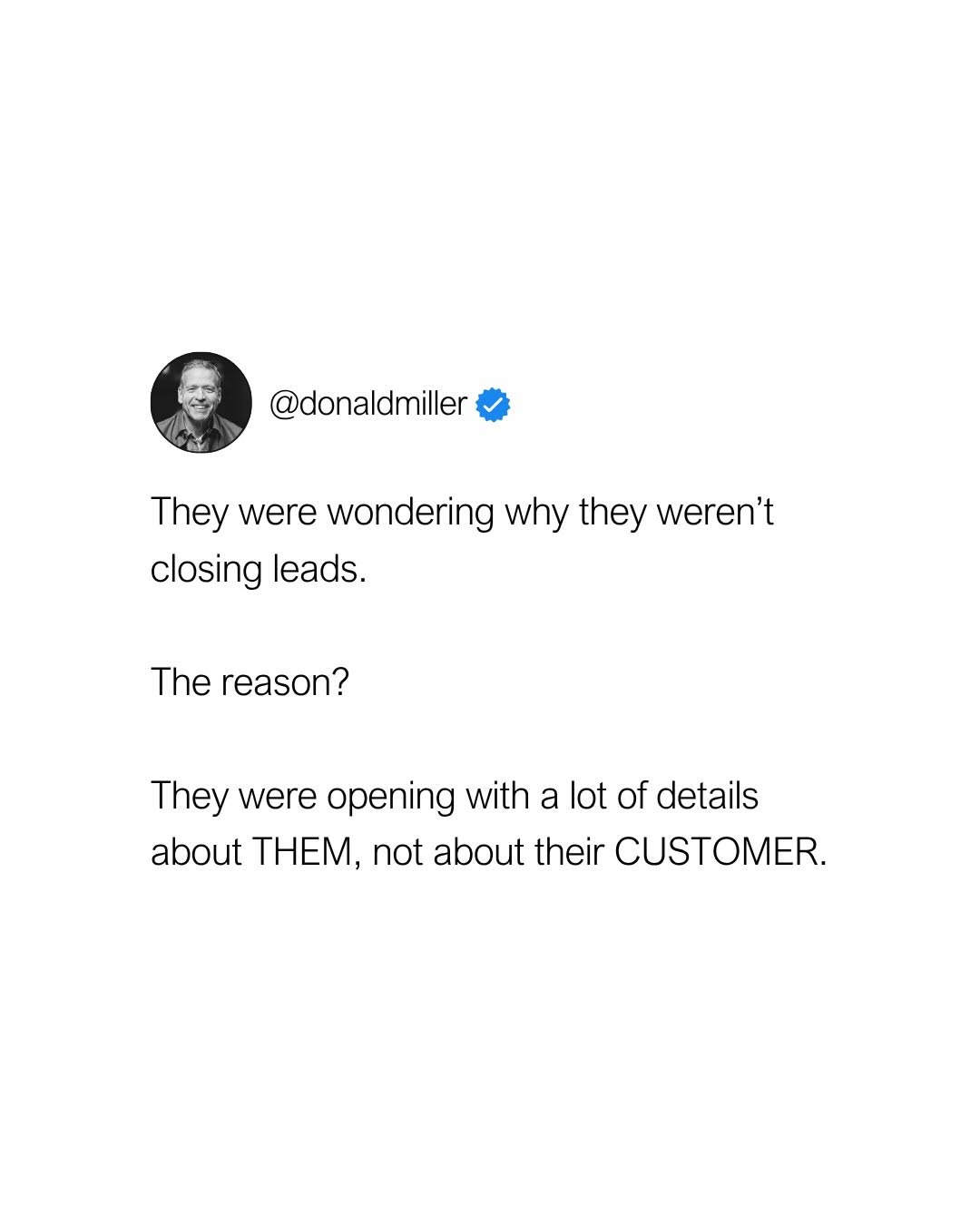
Most businesses are obsessed with telling their story: the origin, the mission, the founder’s childhood lemonade stand. The Instagram post you’re looking at nukes that idea. It shows a thread where a company cleaning airplane engines spent the first ten slides of its pitch deck talking about company values instead of customer results. That’s the gap: stories that feel good to you vs. stories that make customers see themselves winning. Your job isn’t to be interesting, it’s to make the buyer feel, “This solves my problem.”
Flip it: Turn values into customer victories
The airplane-engine company’s deck should start with one sharp customer story: a specific airline, a scary maintenance issue, and how their cleaning process cut downtime or failures. Then, and only then, do the values matter—because they explain why that win keeps happening. Lead with a before-and-after story that mirrors your reader’s life: what was broken, what you did, and what measurable change they felt. That’s a customer story, and that’s what grows sales.
Why founder stories fall flat
- They’re about your journey, not the customer’s urgent problem.
- They burn attention on values and history before proving a clear result.
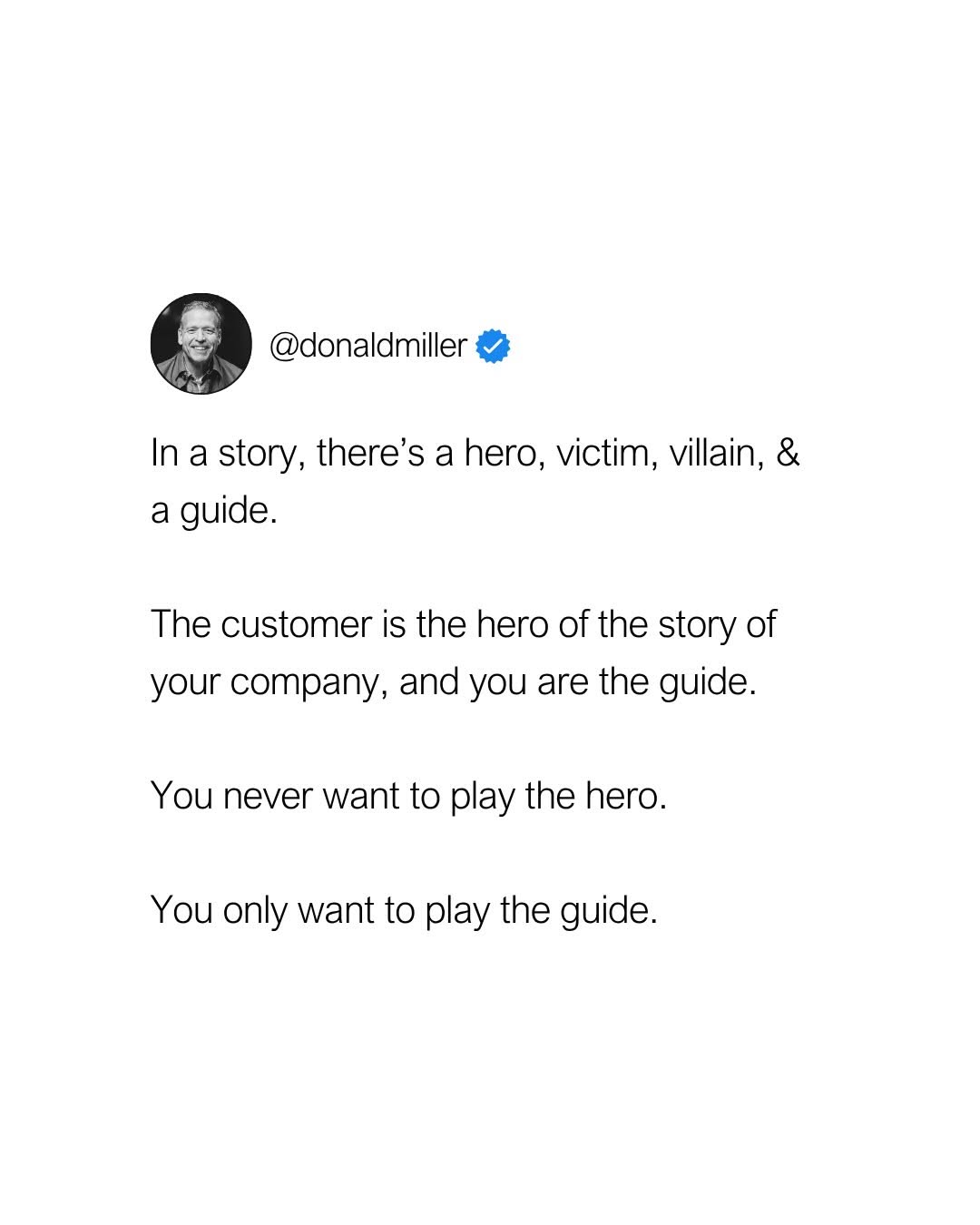
- They make the company the hero instead of the customer.
- They’re hard to tie directly to money saved, time gained, or risk removed.
Customer stories that sell instead of just tell
Slack shows how a small team drowns in email and then cuts internal email by 48% after switching to channels, putting the customer’s chaos and relief at the center.

Shopify highlights merchants who go from side-hustle to full-time income with specific revenue jumps, making the founder’s success the proof, not the brand’s autobiography.
Analyzed by Swipebot
Loading analysis...