Us vs Them Chart That Converts
Published on
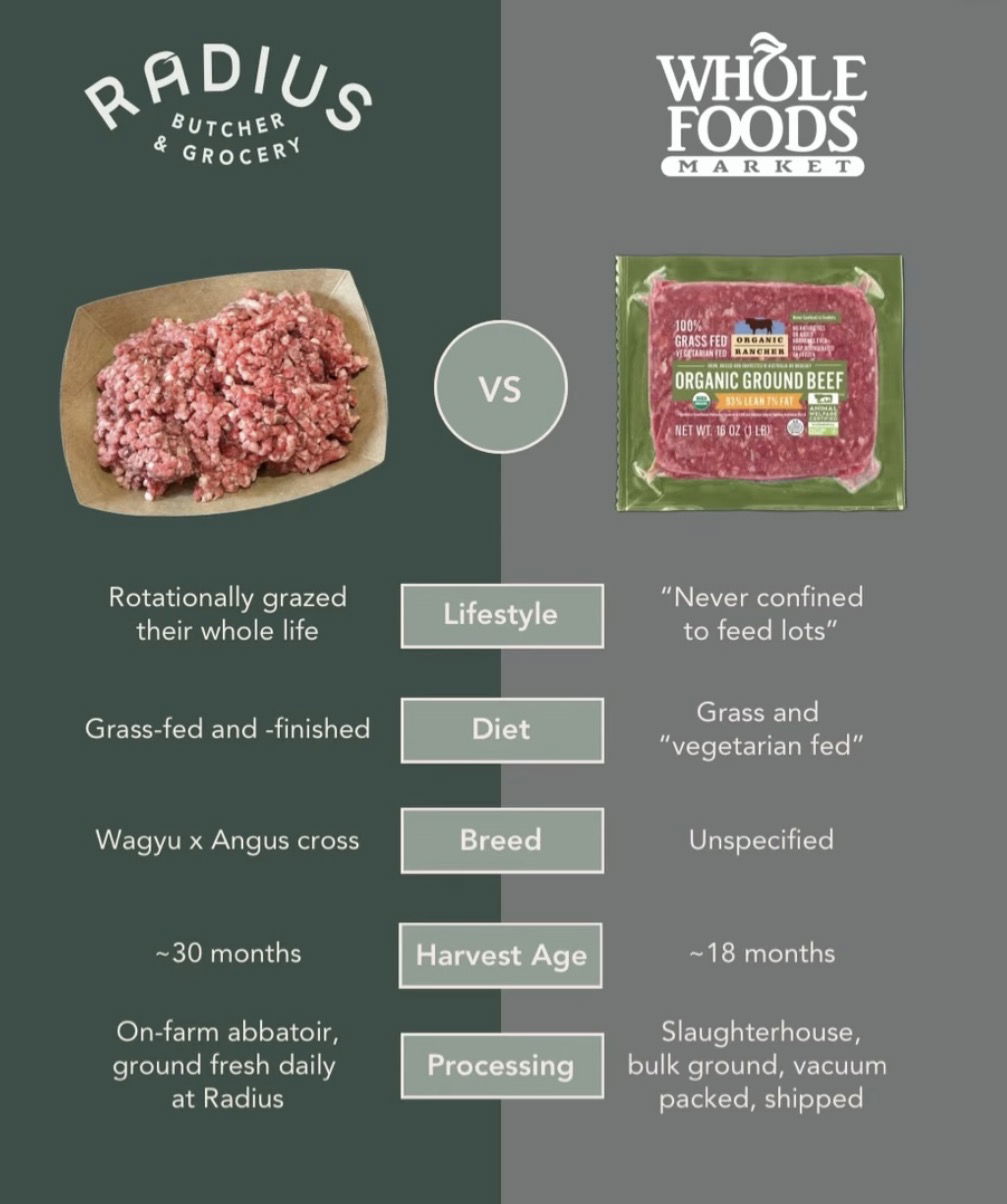
An “us vs them” chart is a polite way of saying, “Here’s why you should pay us more money.” The Radius Butcher example is a killer template: simple visuals, clear columns, and every line nudging you toward the premium choice without sounding salesy. Let’s break down why this chart converts and how to steal the structure for your own offer.
Turn this into your own chart
Pick one competitor your customers already know. List 4–6 buying factors your best customers care about. For each row, give yourself concrete, sensory details and give the competitor whatever is vague, generic, or corporate-sounding but still true. Keep the layout clean, the tone matter‑of‑fact, and let the reader connect the dots: “Why would I ever choose them over you?”
Why this Radius vs Whole Foods chart works
- Frames the comparison as Radius vs a massive, familiar brand, instantly positioning Radius as the thoughtful craft option.
- Uses neutral category labels (Lifestyle, Diet, Breed, Harvest Age, Processing) so the chart feels informative, not ranty.
- Stacks specific, concrete phrases on the Radius side (“rotationally grazed,” “on-farm abattoir”) against vague, fuzzy language on the other side (“unspecified,” “never confined”).
- Pairs photos of the product with clean columns so you can “see” the care difference at a glance.
- Makes the buying decision about values and process, not just price per pound.
How to swipe this ‘us vs them’ format
Radius Butcher puts their ground beef photo, logo, and specific practices on the left, then contrasts it line‑by‑line with Whole Foods’ vaguer claims on the right, turning a simple chart into a persuasive story.
Creative Variations
Analyzed by Swipebot
Loading analysis...