Use Fake Rebrands To Spark Viral Engagement
Published on

1/6
131.3K
1.9K
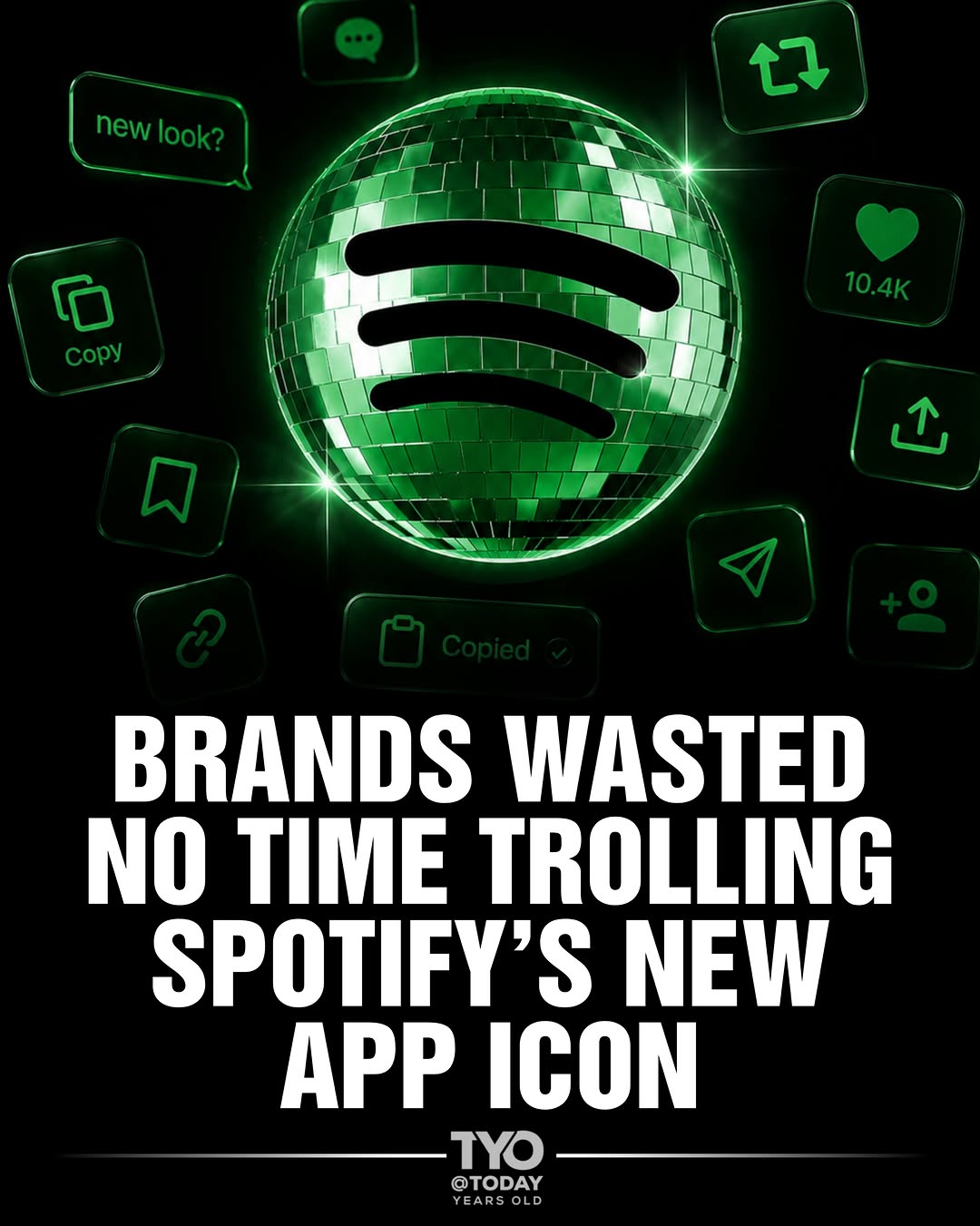
todayyearsold Brands have found their new favorite trend and it is all Spotify’s fault. 😂 Ever since Spotify...
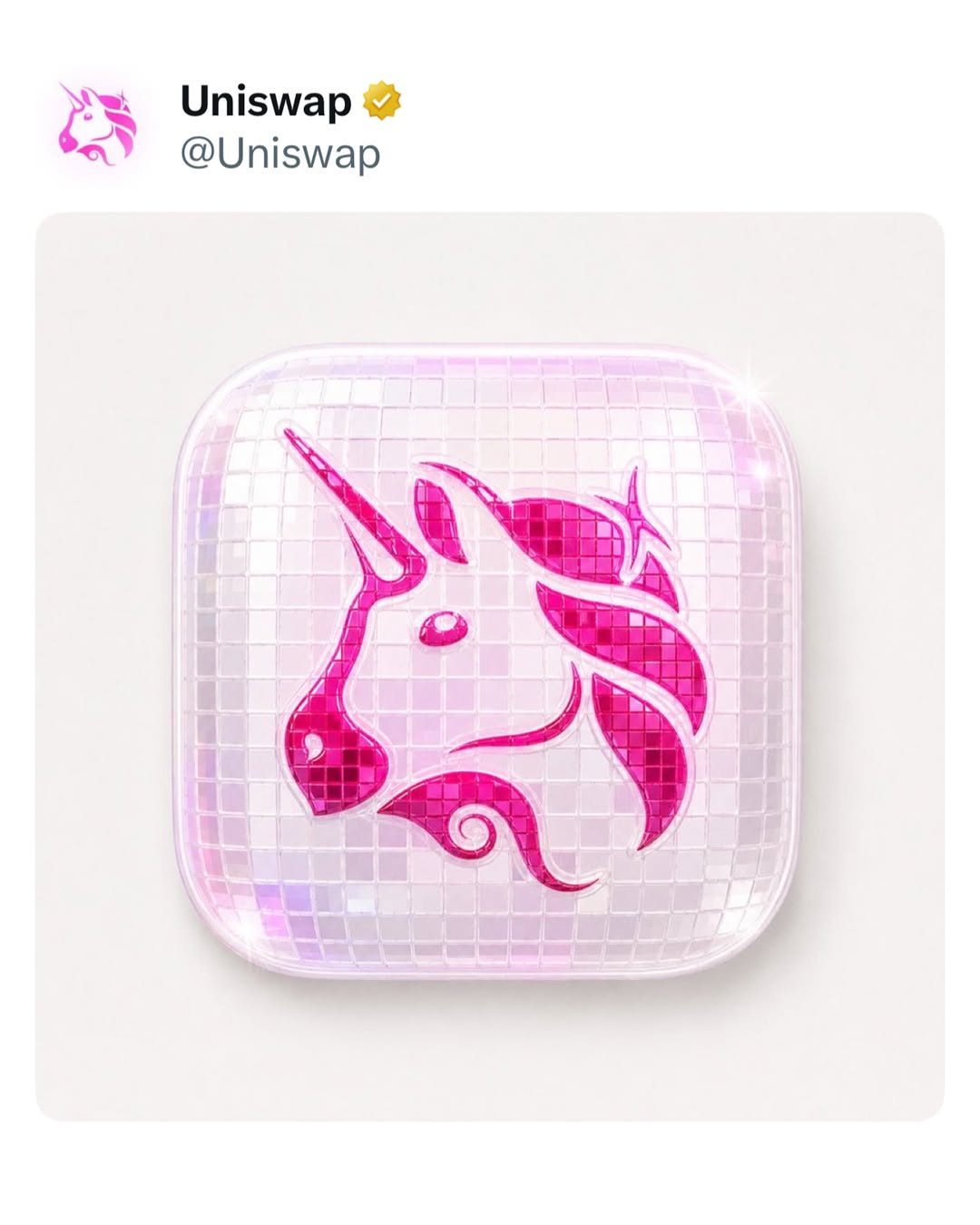
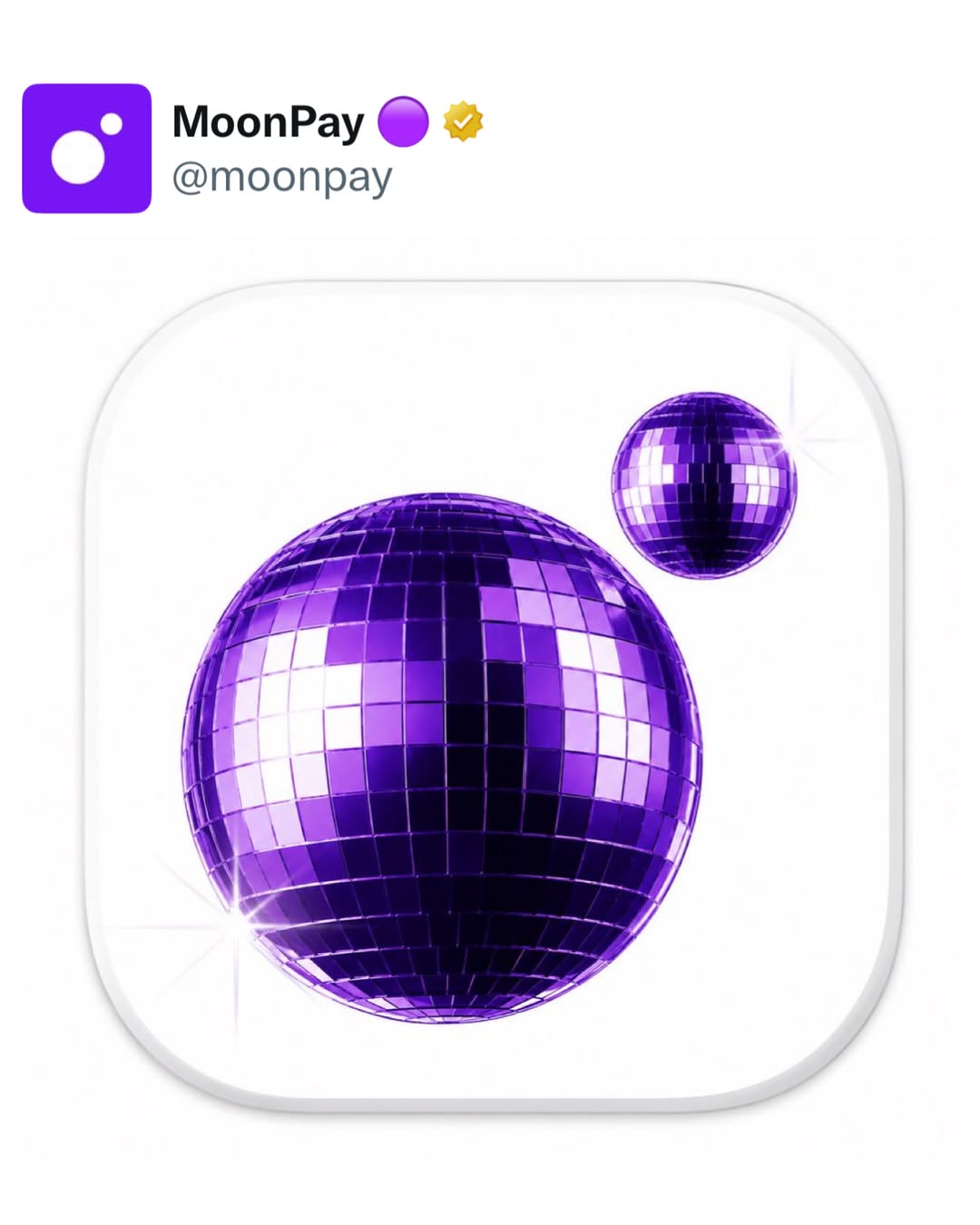
Fake rebrands are the new meme template, and Spotify accidentally handed brands a cheat code. One glittery disco-ball app icon later, every social team on earth is nuking their logo with sparkles, chrome, and “what if we did this for real?” energy. The result: easy viral engagement without changing a single real brand guideline. Here’s how to steal the move without looking like a try-hard.
How to run your own fake rebrand
Step 1: Grab a visual trend your audience already recognizes (disco ball textures, AI chrome, Vaporwave, whatever’s flooding their feed). Step 2: Drop your existing logo into that visual in an obviously over-the-top way, like Spotify’s glitter sphere or Notion’s mirrored cube. Step 3: Write copy that winks at the audience: exaggerate a milestone, mock your own posting addiction, or pretend your designer finally “snapped.” Step 4: Post it as a limited-time ‘test icon’ or ‘for one night only’ concept so people feel compelled to comment now instead of later.
The psychology behind fake rebrands
- They piggyback on an already polarizing moment (Spotify’s disco icon) so your post rides existing attention instead of starting from zero.
- They feel “dangerous” but safe: your logo looks radically different, yet everyone knows it’s just a joke.
- They invite participation: fans, other brands, and designers can remix, rate, and roast the fake look.
- They show your social team has a pulse, not just a content calendar.
Real brands using fake rebrands for engagement

Today Years Old frames Spotify’s disco-ball logo in a dramatic hero image surrounded by engagement icons to highlight how instantly the internet copied the look.
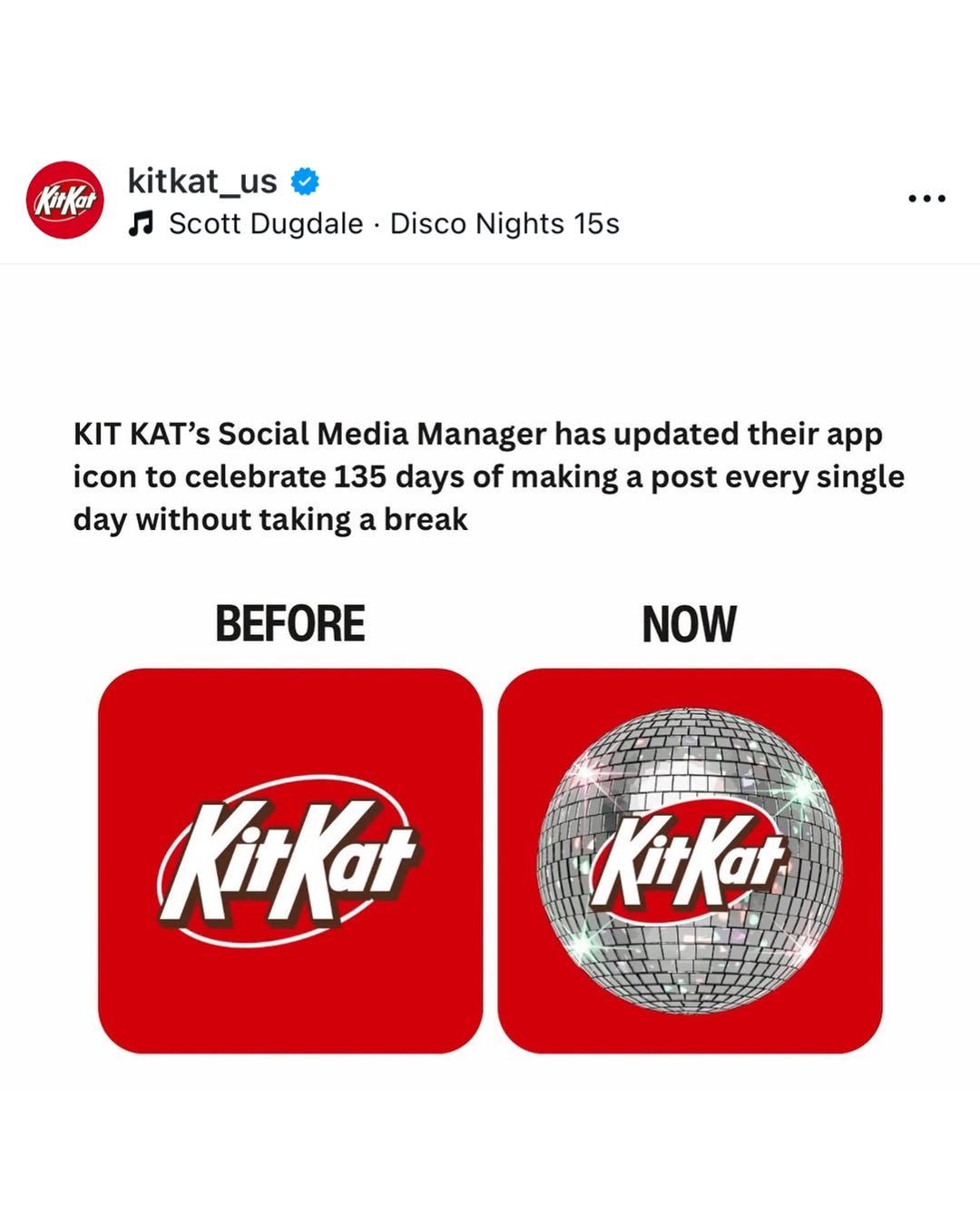
KitKat turns its classic red app-style icon into a silver disco ball and jokes about the social media manager posting 135 days straight, turning a fake visual change into a relatable story.
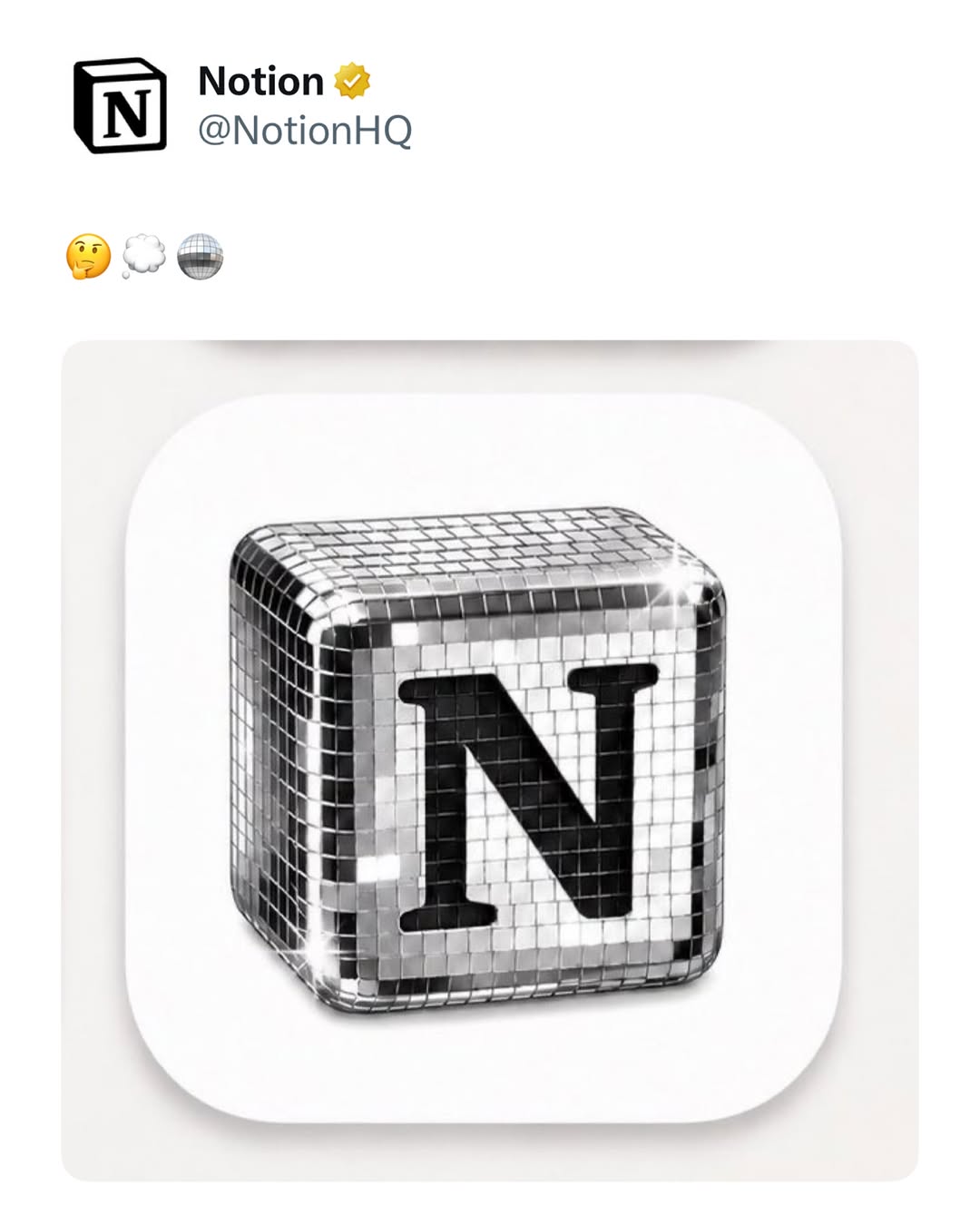
Notion posts a hyper-glossy mirrored cube version of its logo with just three emojis, proving you can join the fake rebrand trend with almost no copy and still rack up reactions.
Creative Variations
Analyzed by Swipebot
Loading analysis...