Stop Designing Products. Design Feelings.
Published on

1/20
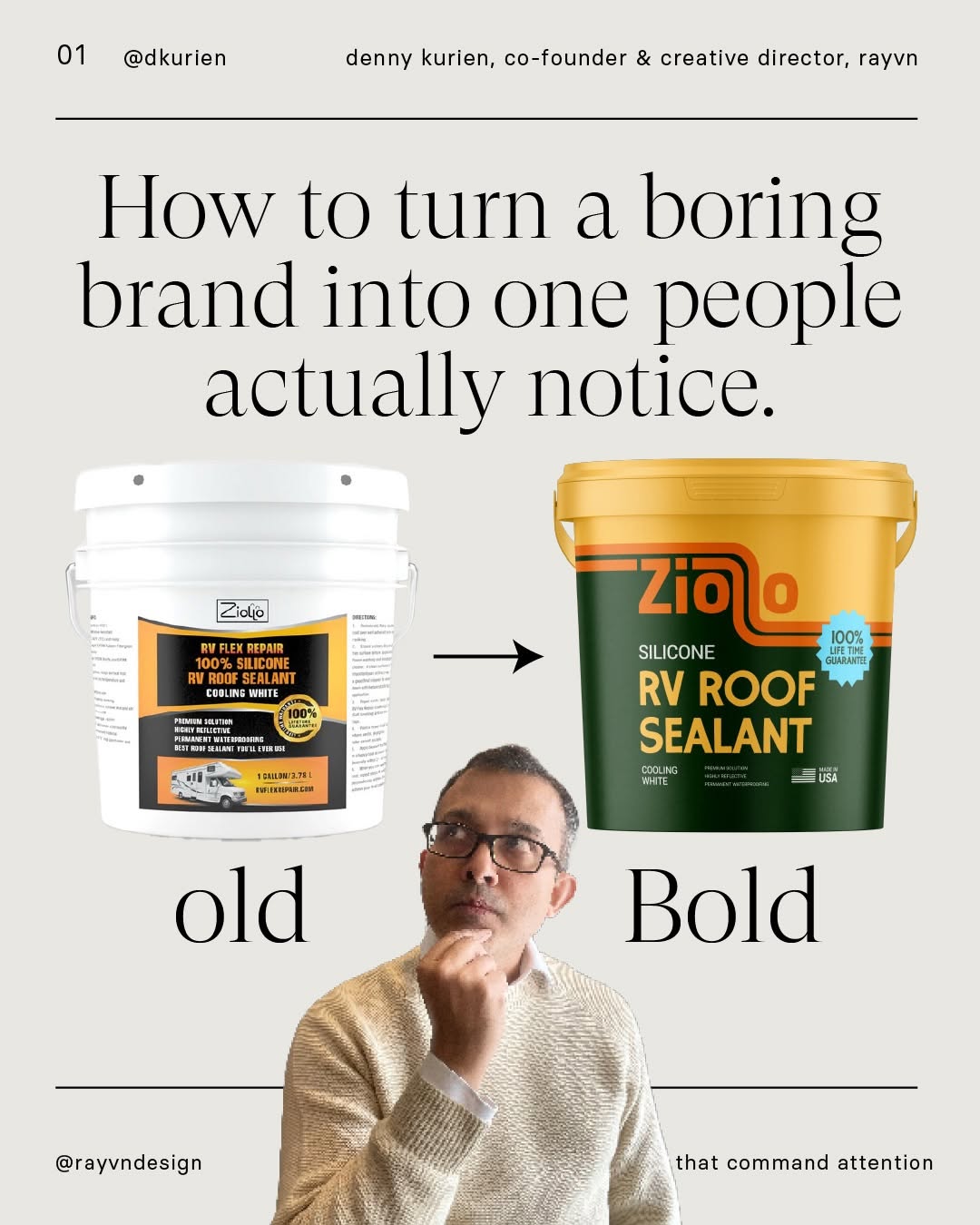
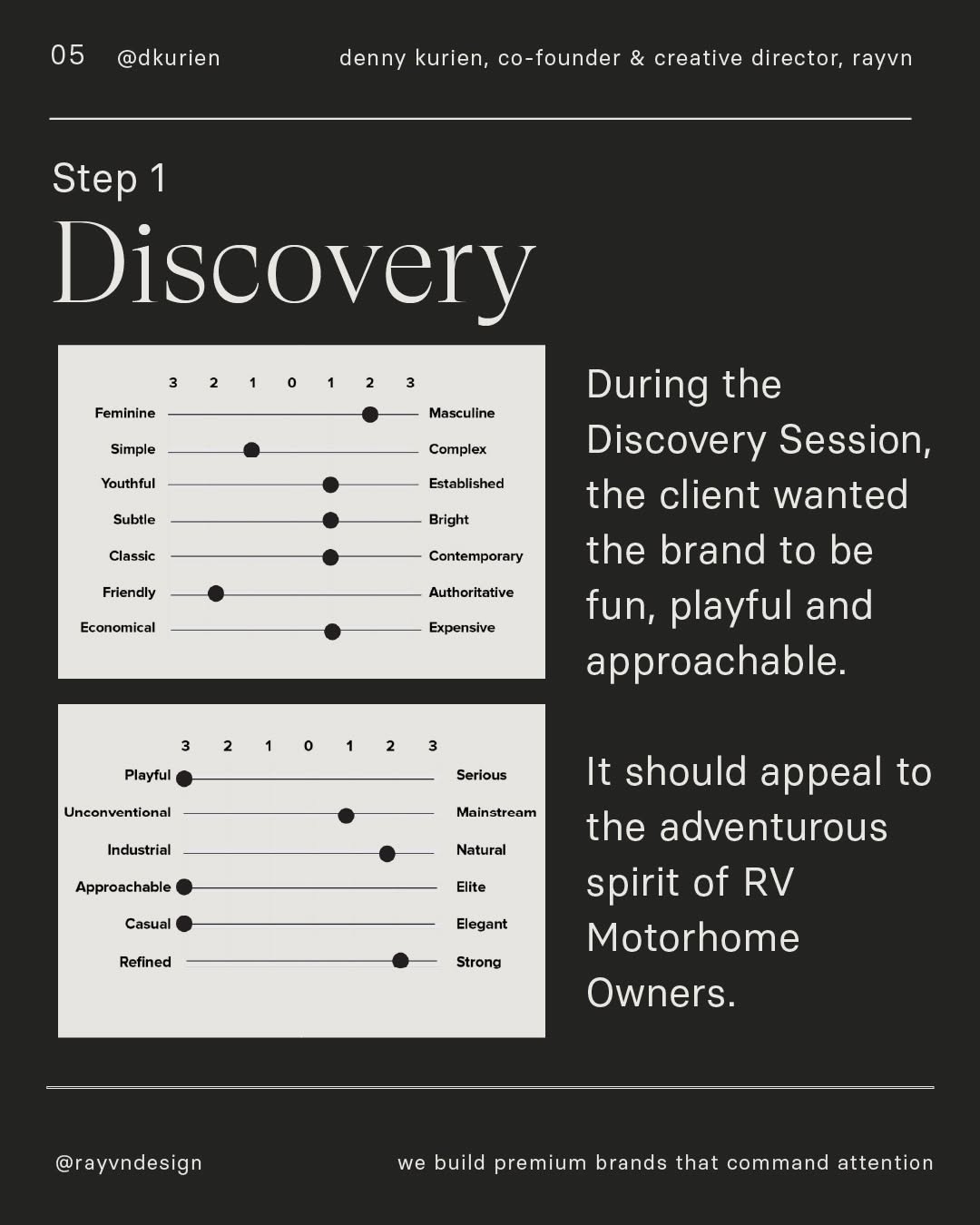
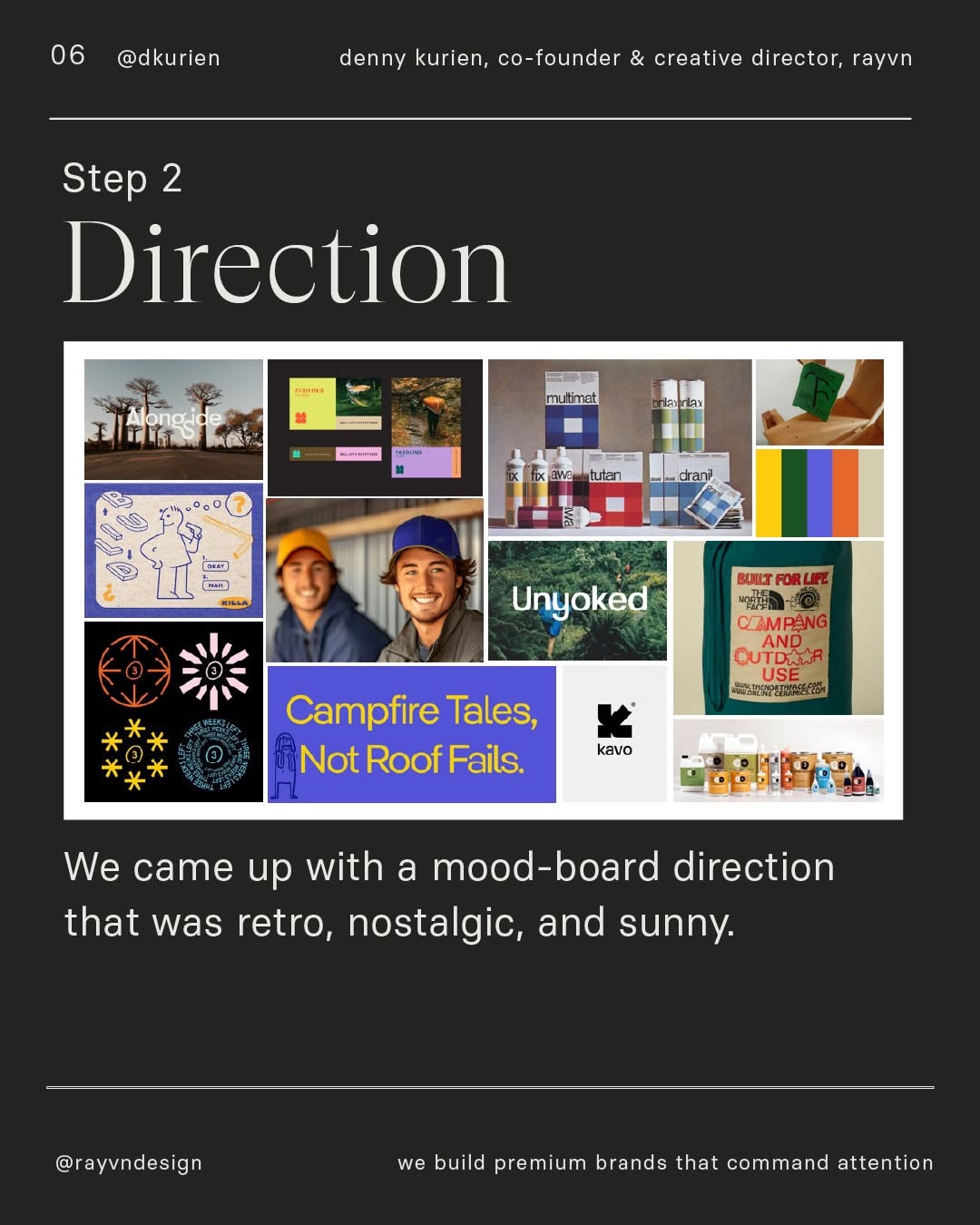
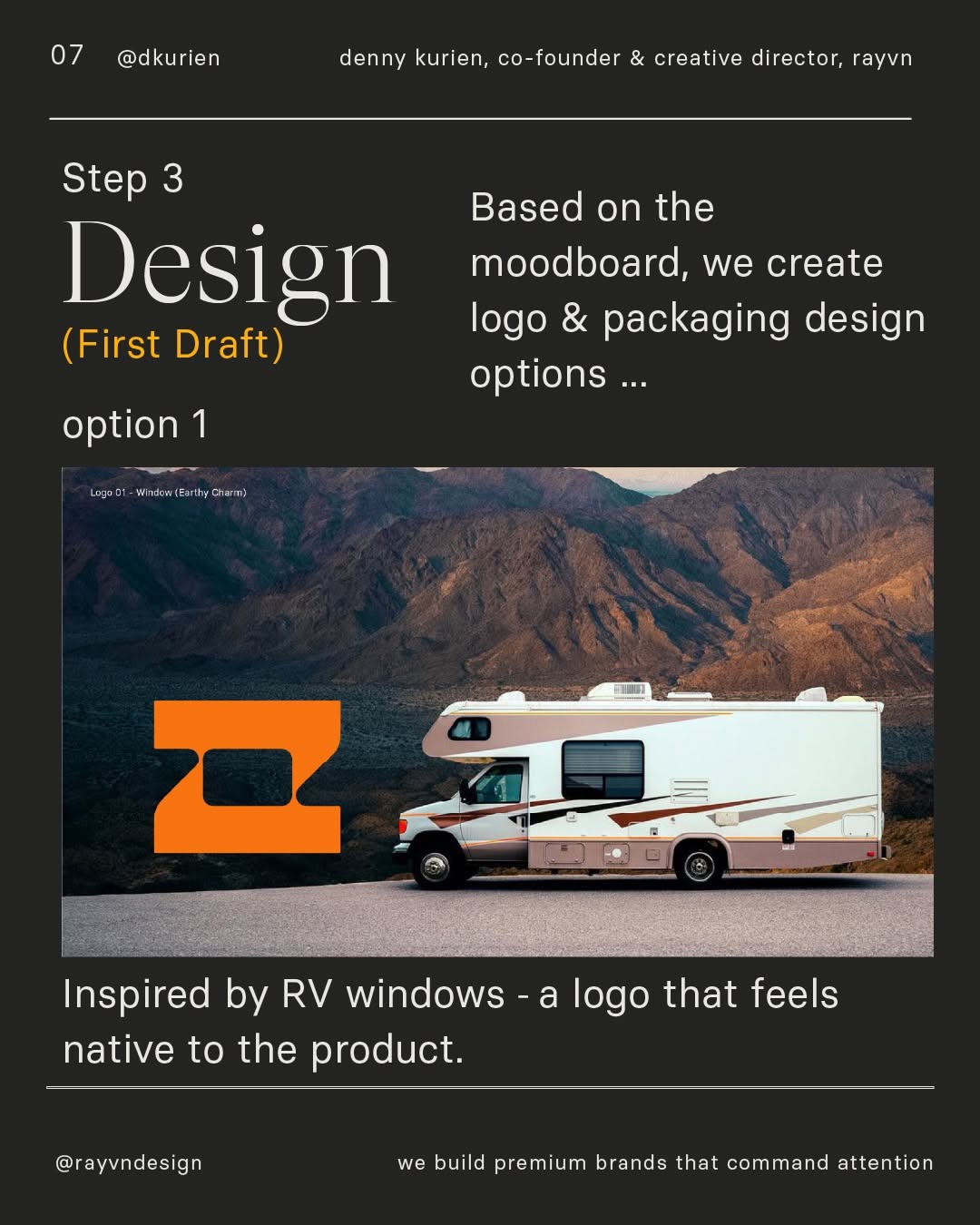
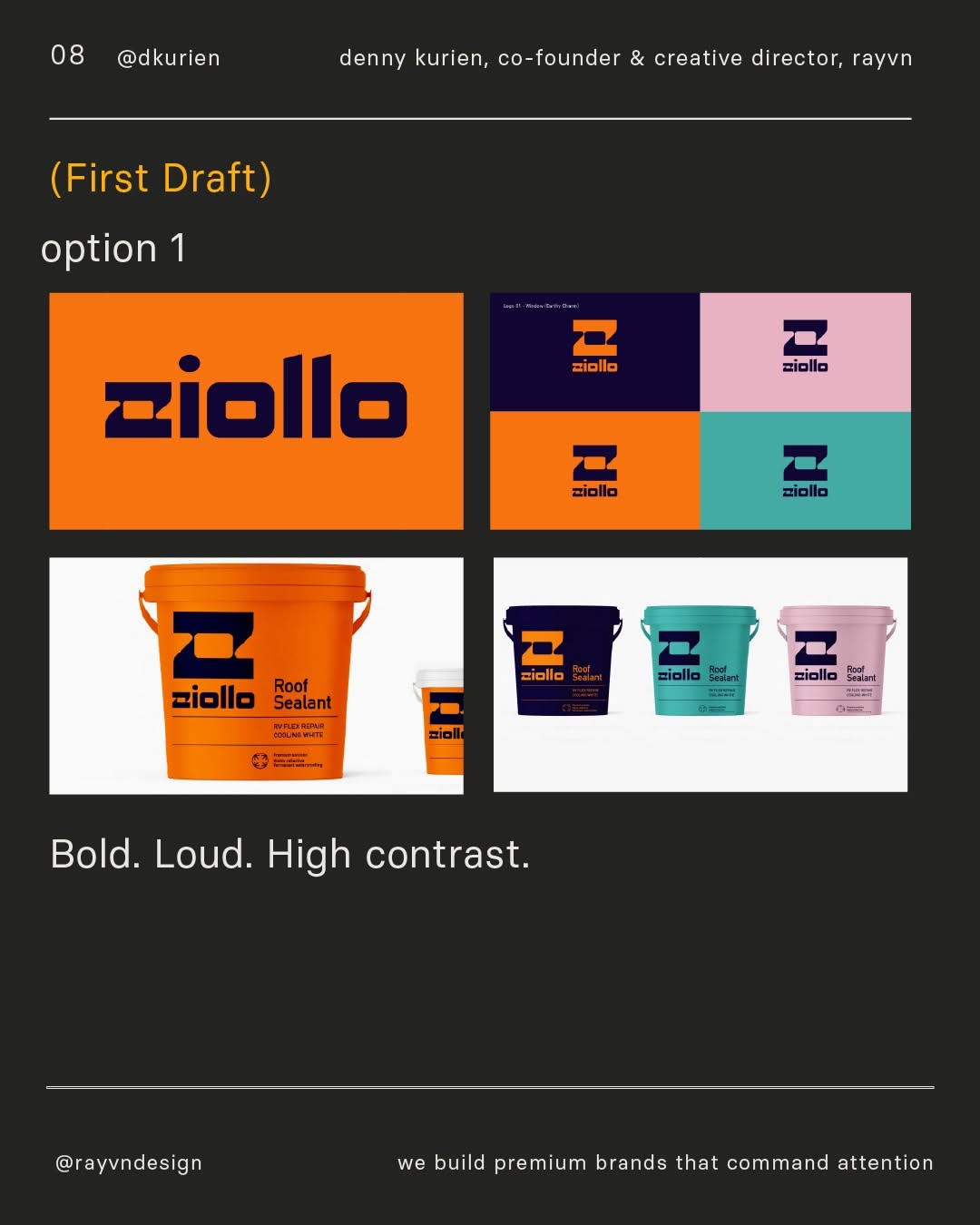
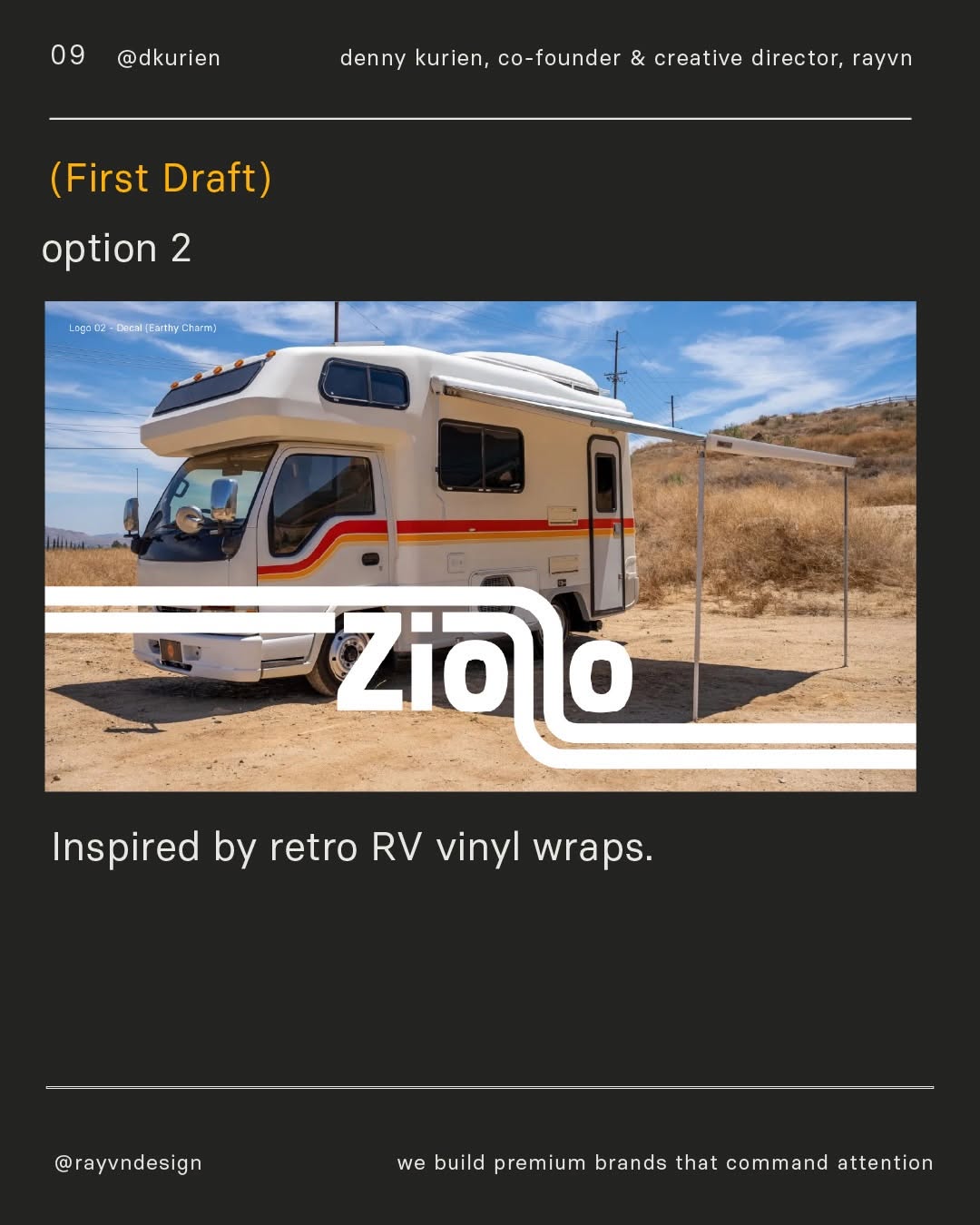
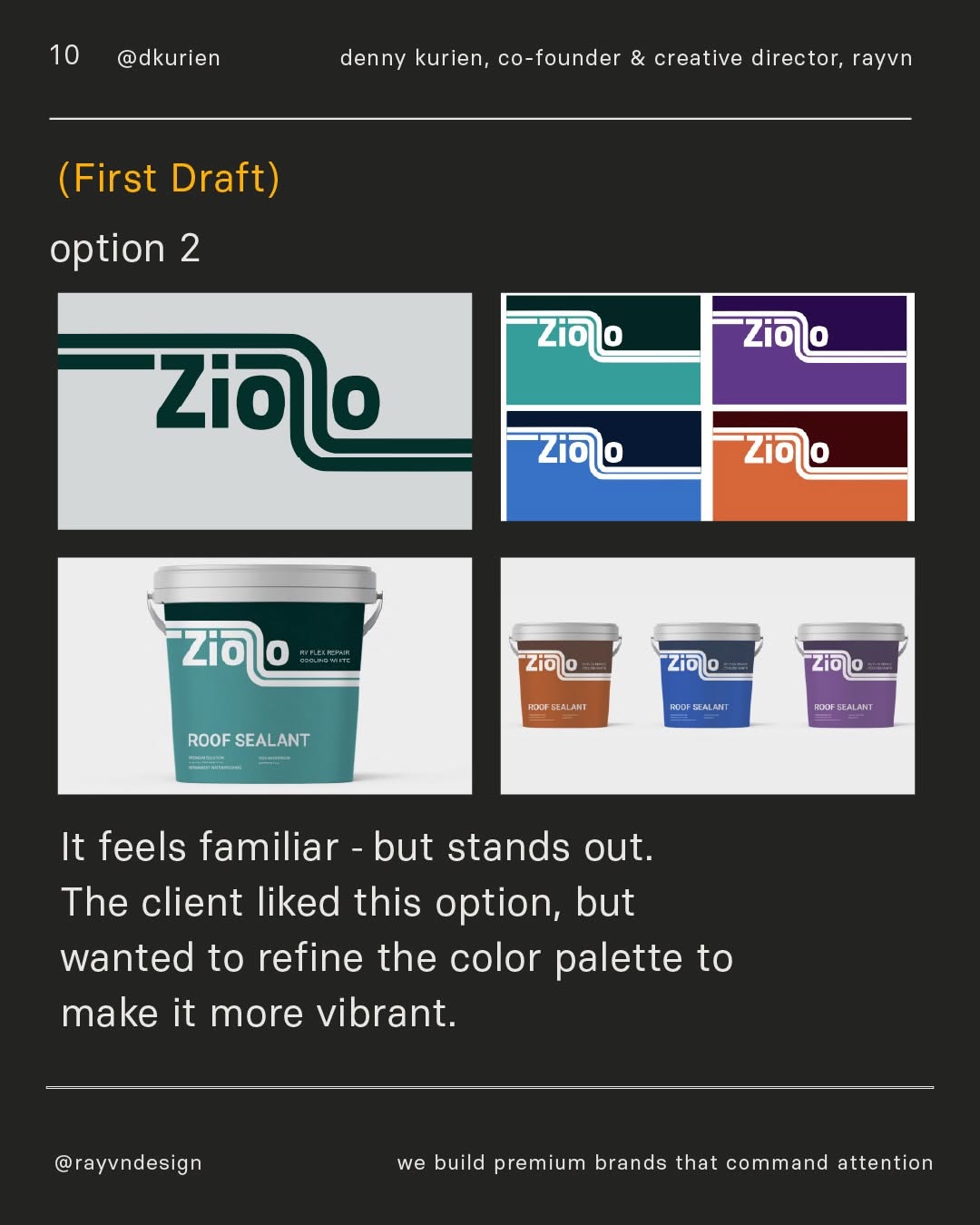
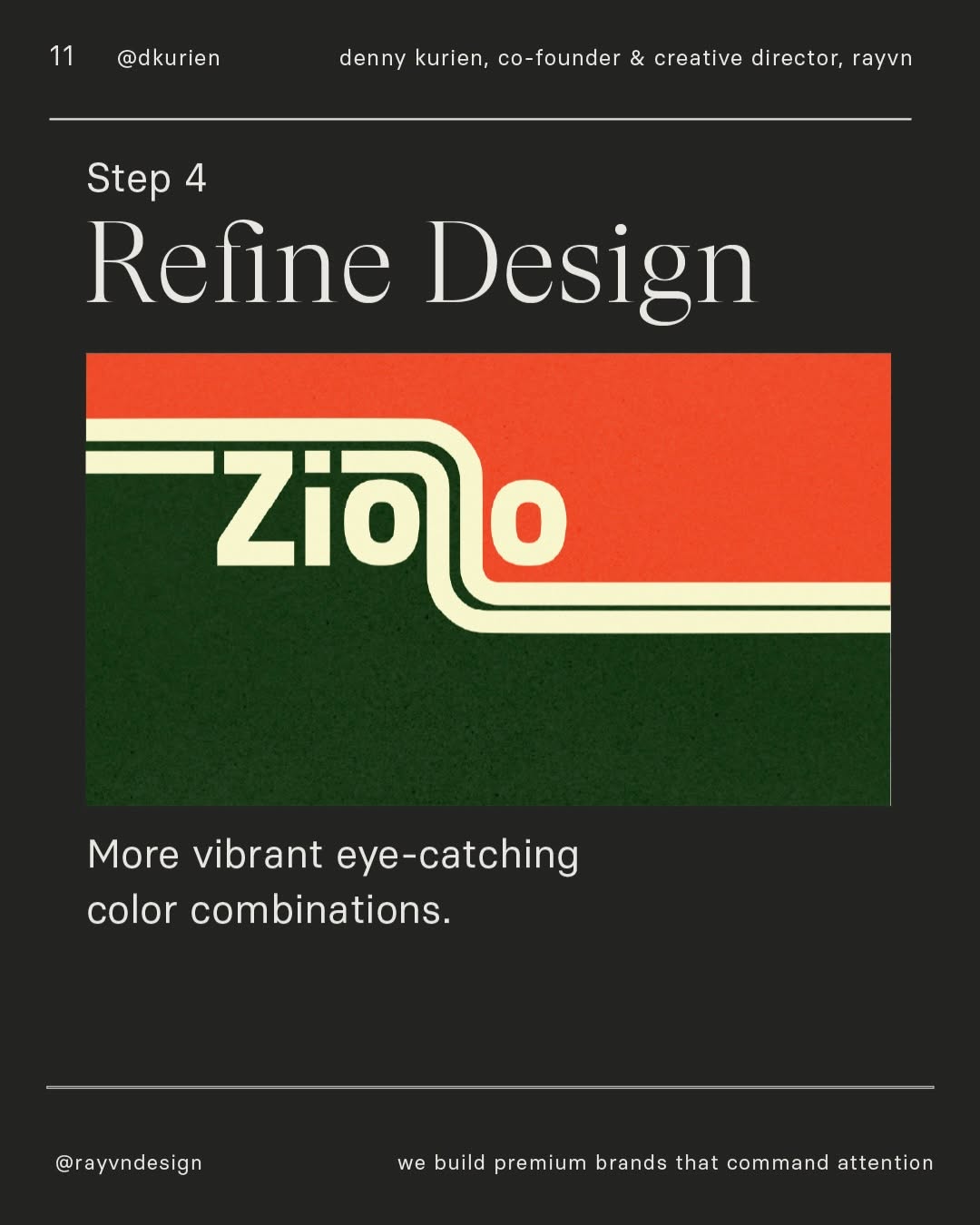
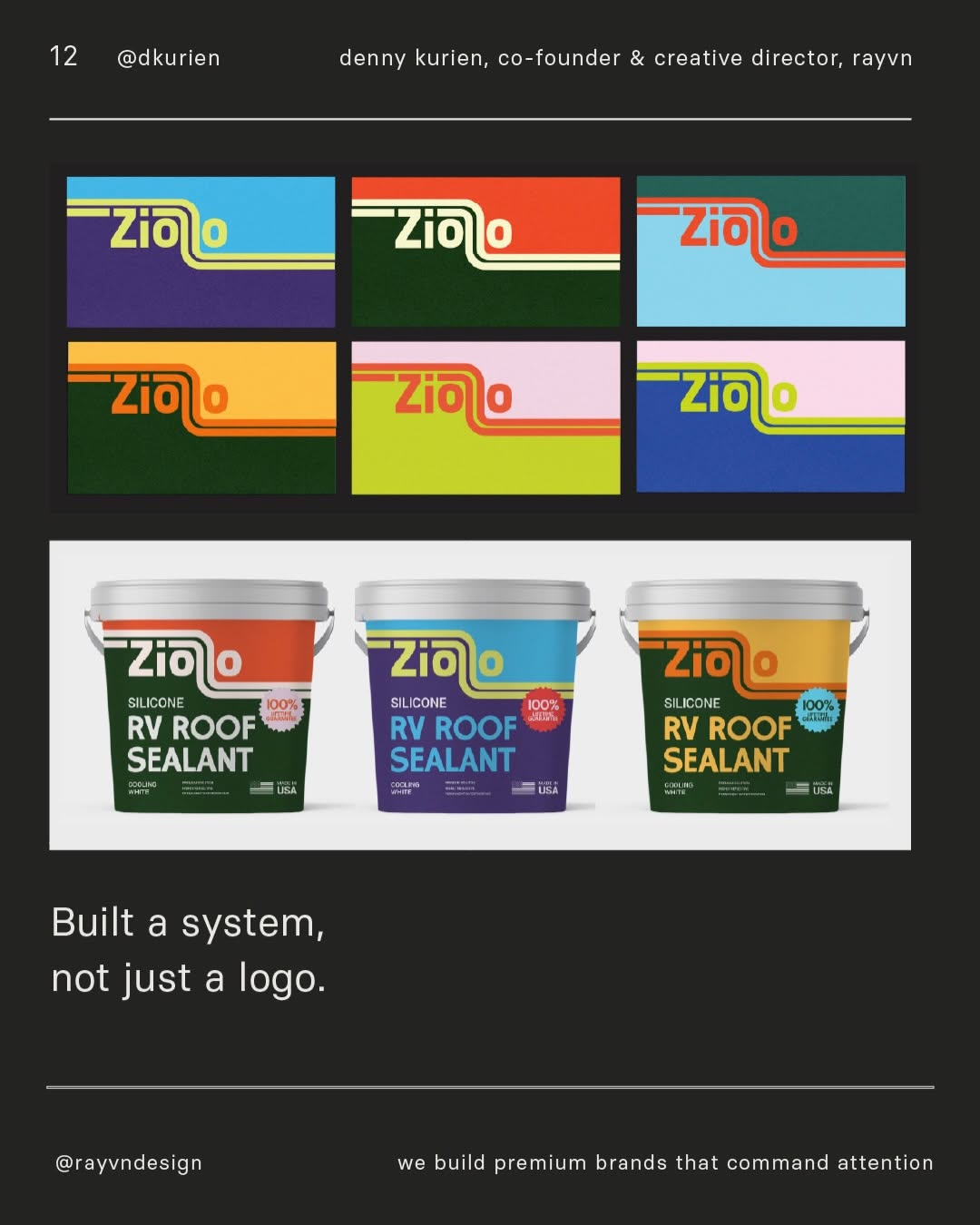
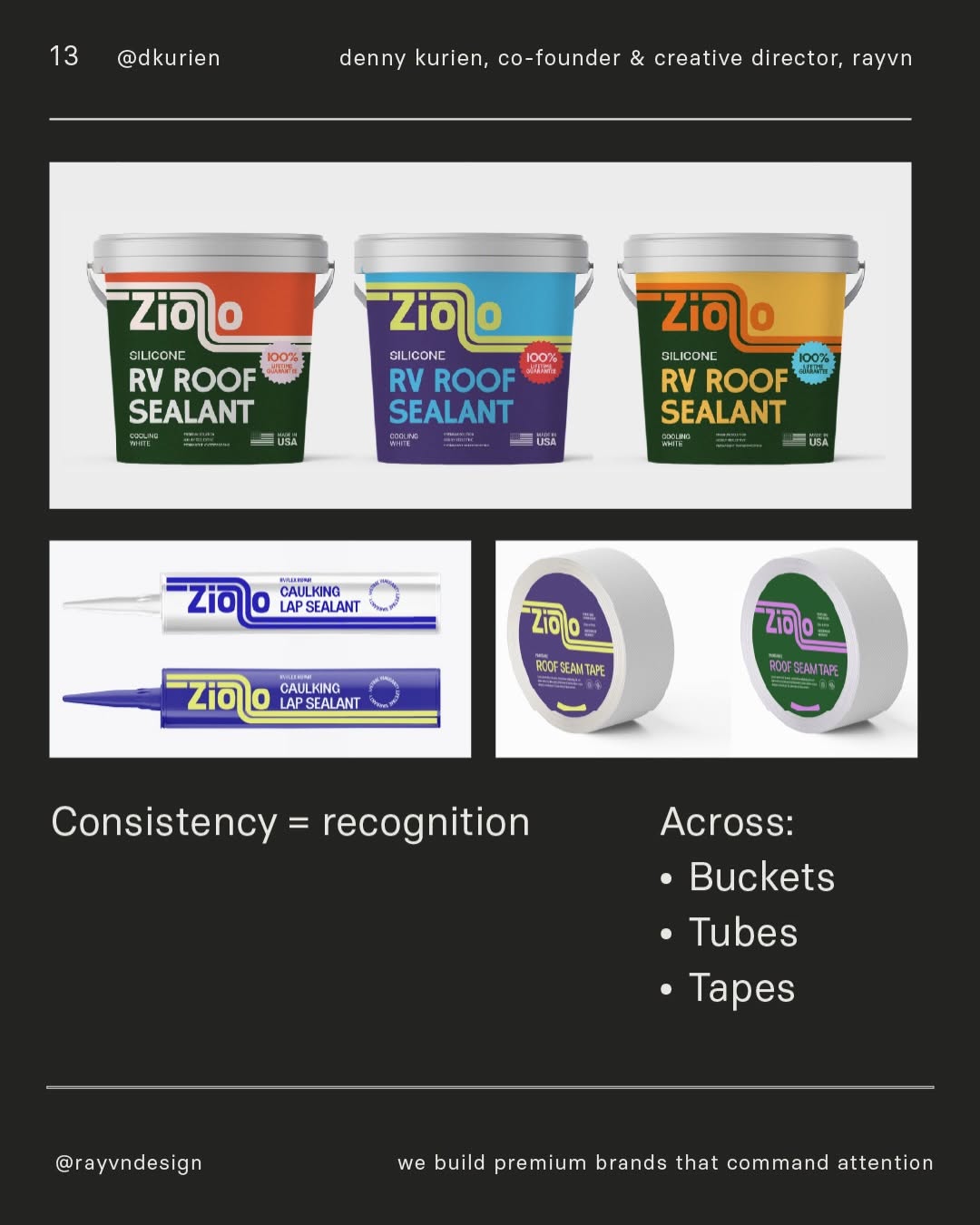
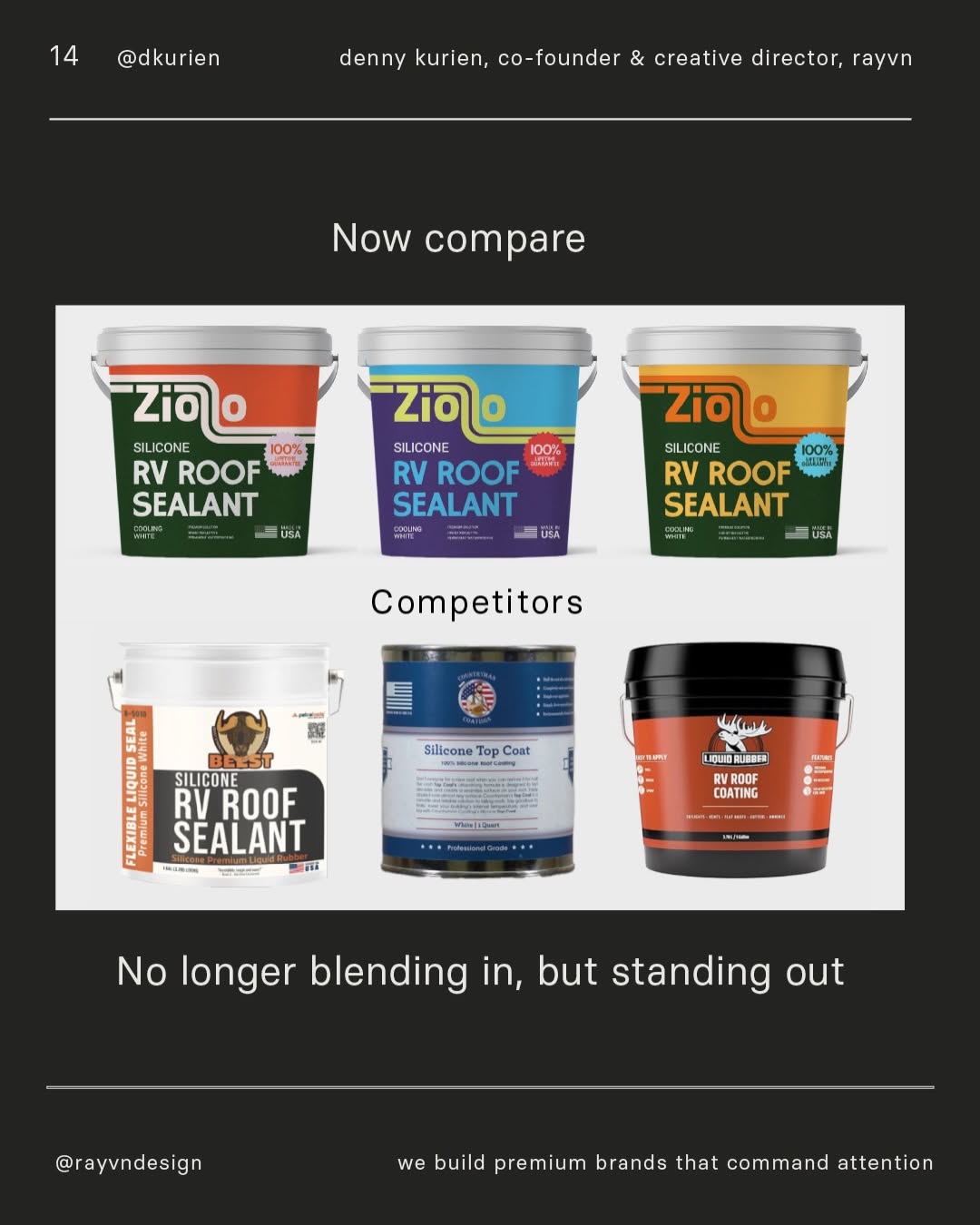
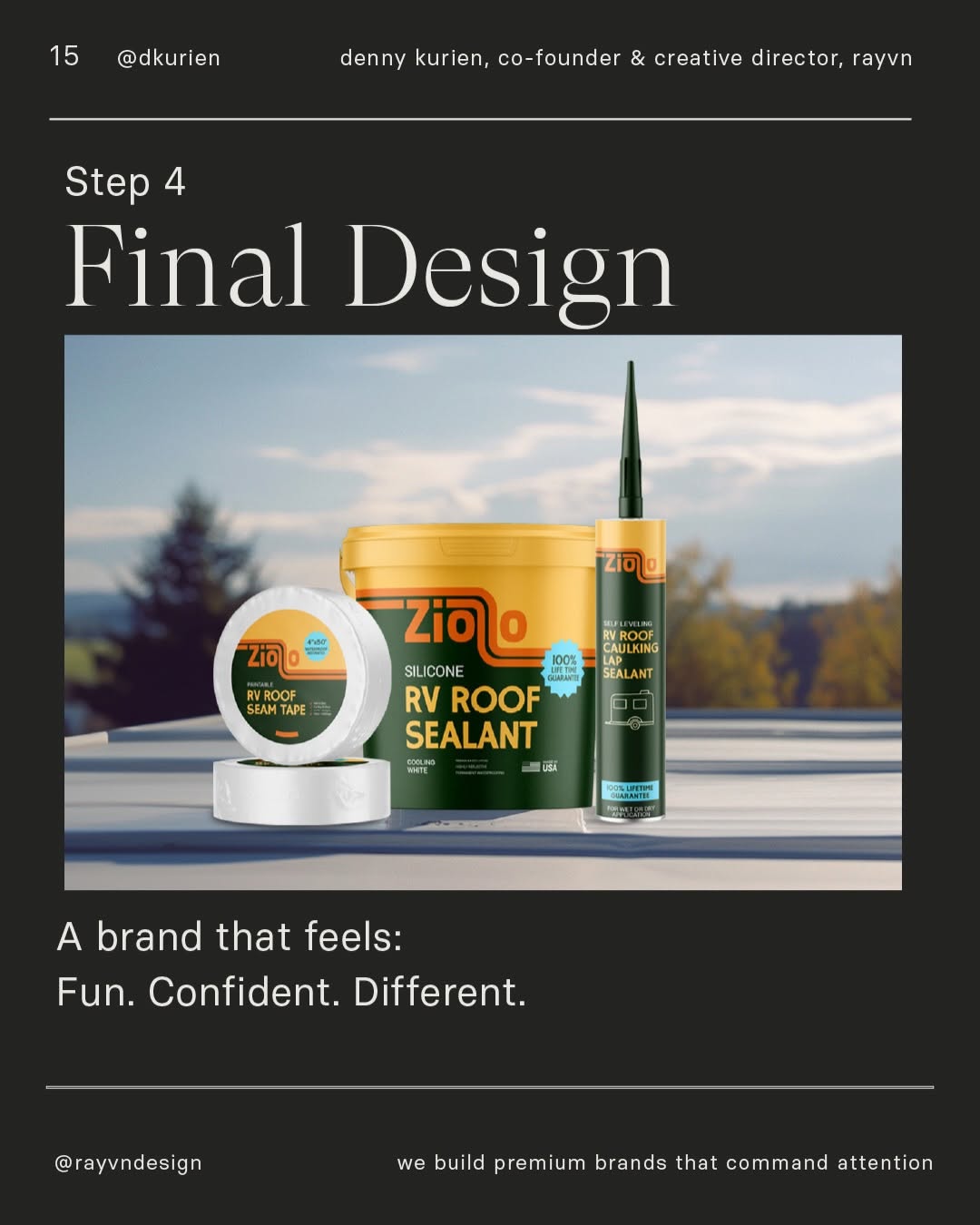
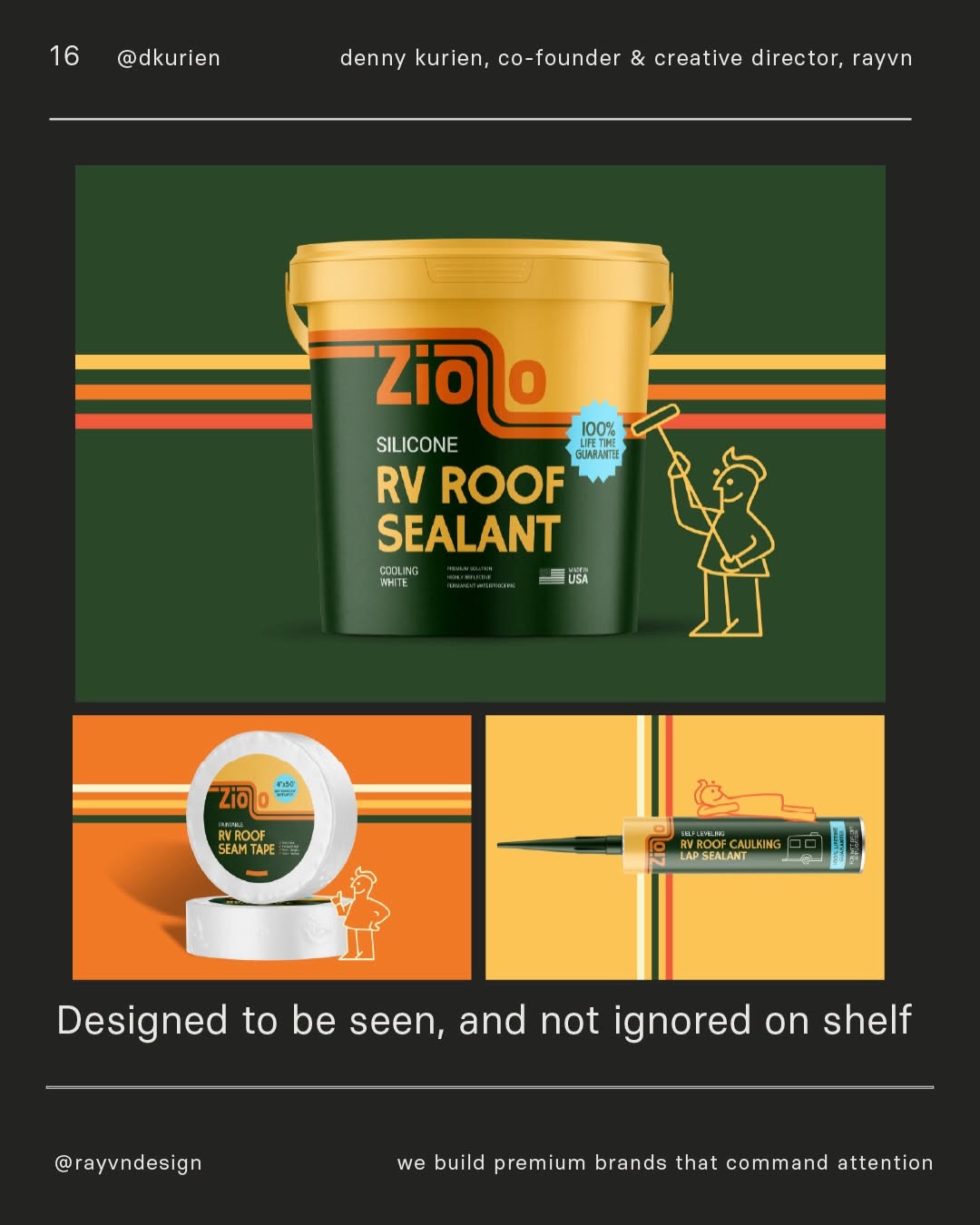
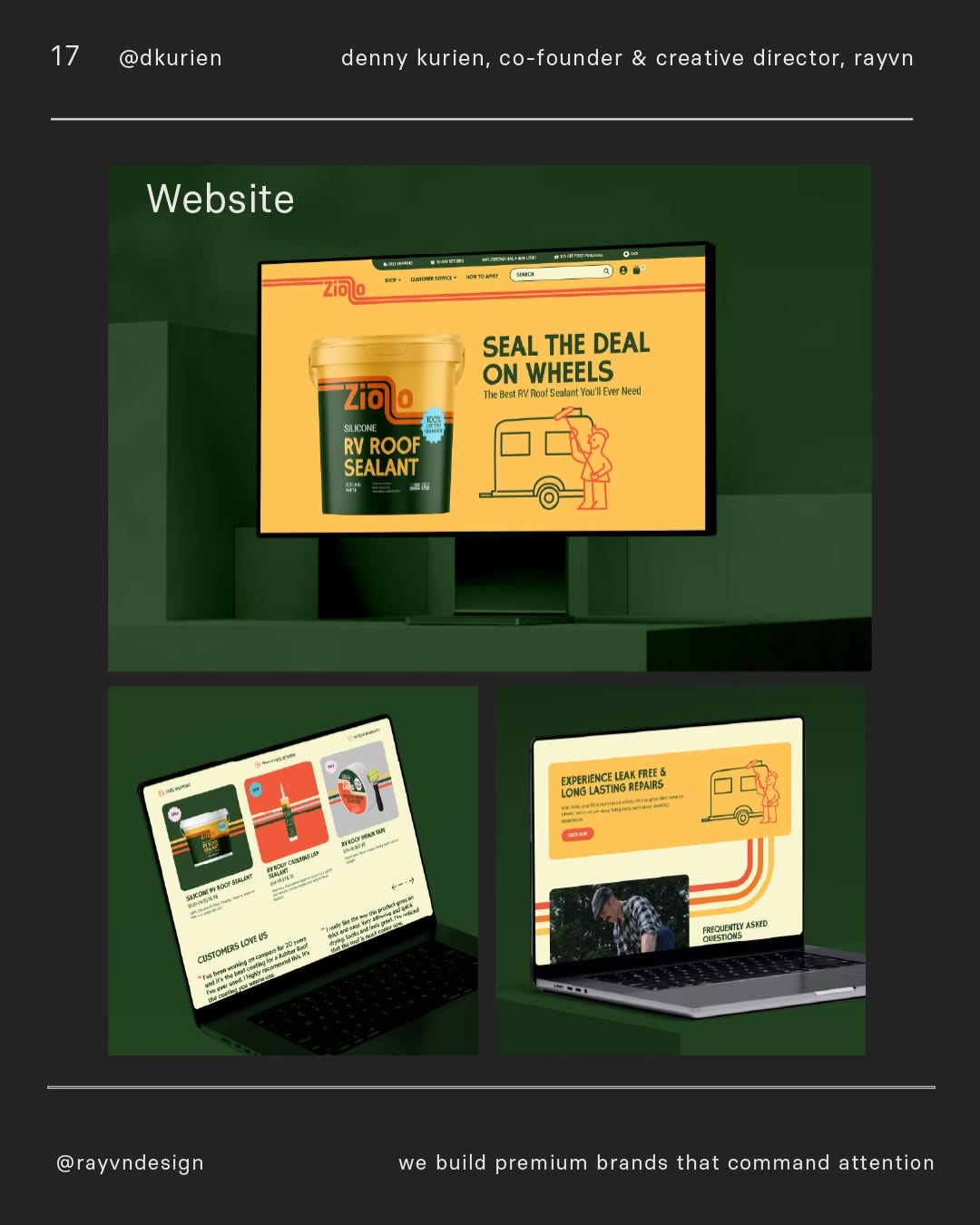
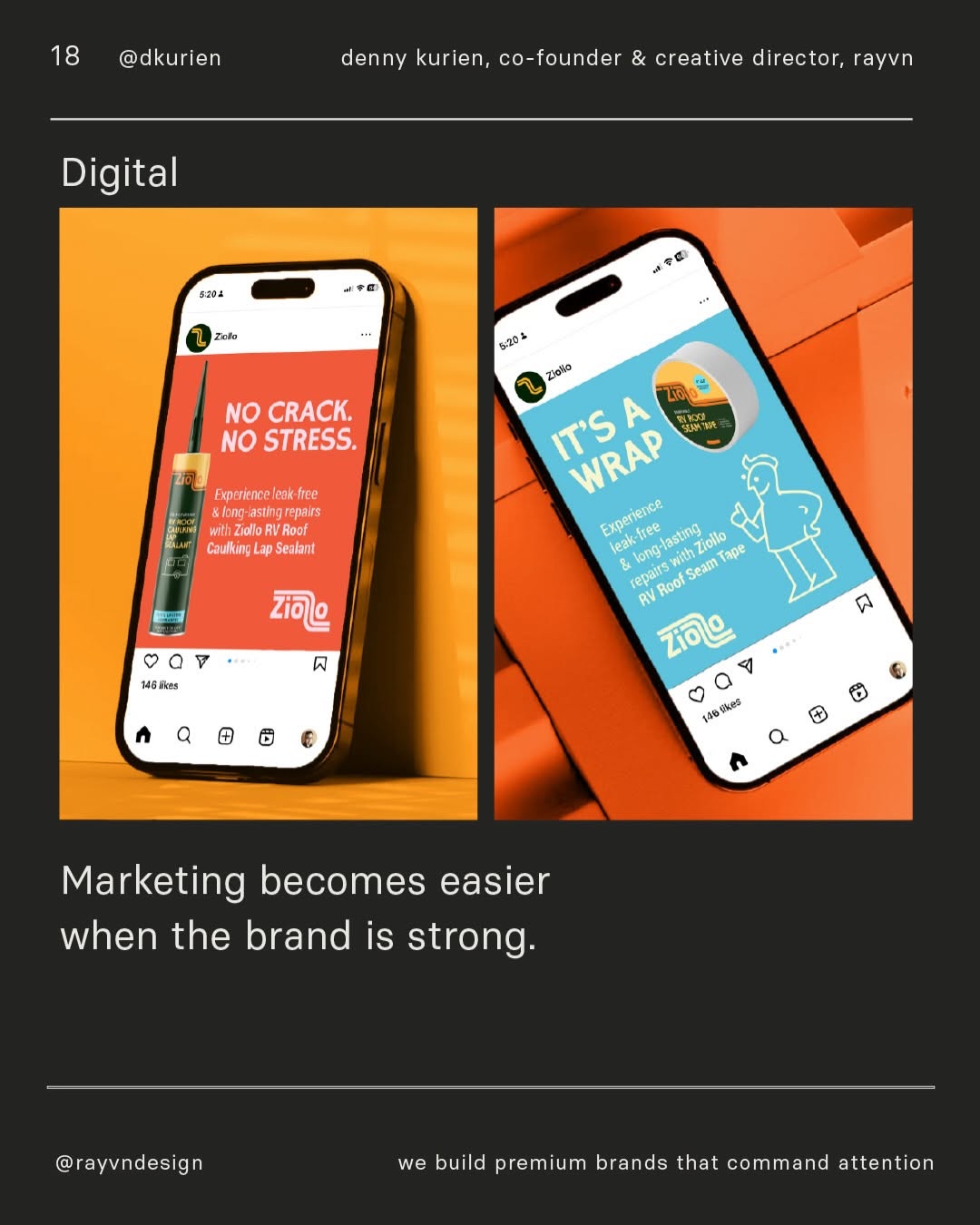
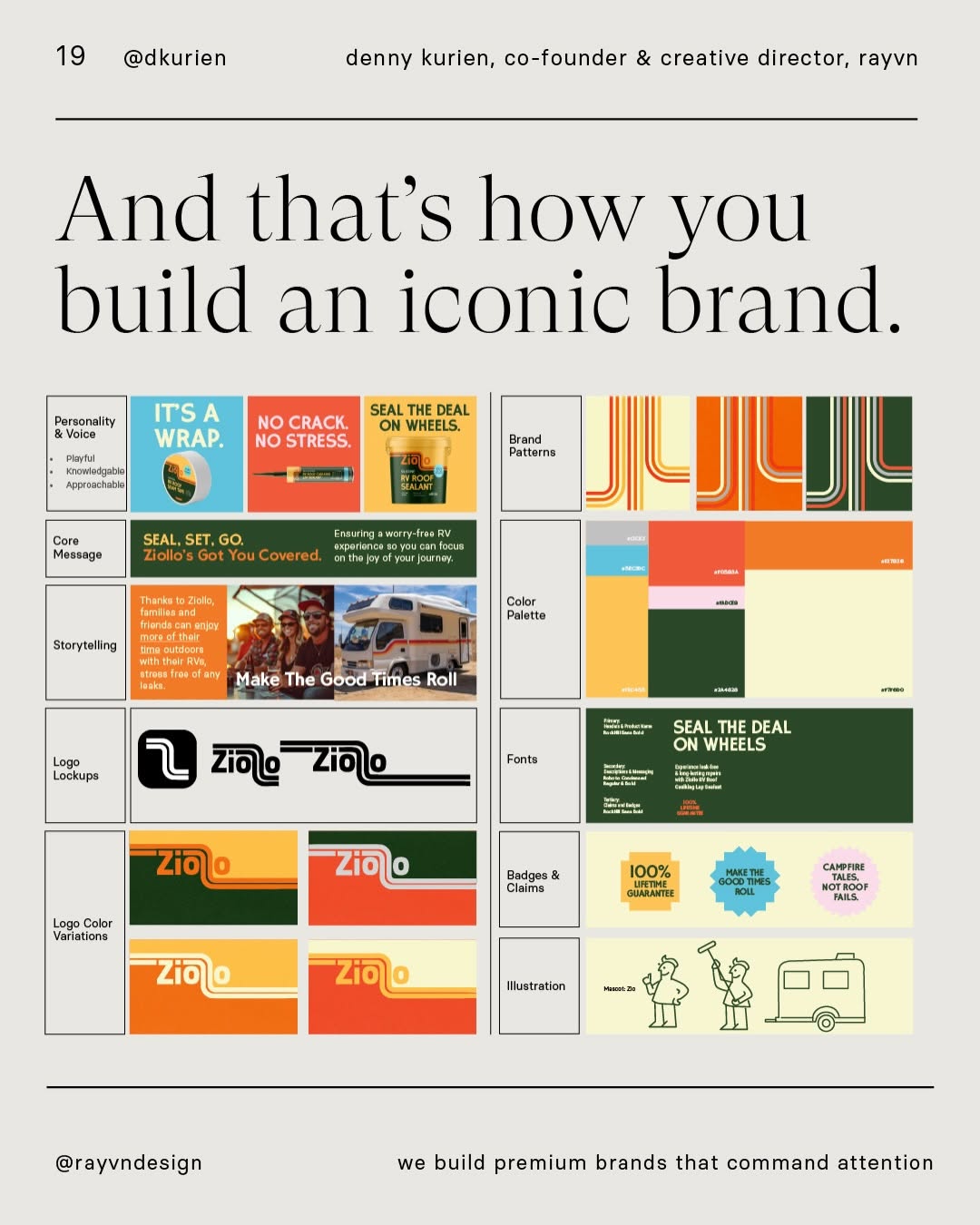
Most brands obsess over specs, fonts, and Pantone swatches. Meanwhile, the products that win shelf space are busy doing something far more powerful: they’re making people feel something. This Ziollo RV roof sealant refresh is a perfect example. The design didn’t just change the bucket; it changed the emotion. Stop designing surfaces. Start designing the story running in your customer’s head.
From white bucket to weekend fantasy
Look at the first image: on the left, Ziollo’s old pack is a generic white contractor bucket drowning in text. It screams “hardware aisle commodity.” On the right, the new can is deep green with a bold orange wordmark and clean hierarchy. It feels intentional, premium, and instantly readable from six feet away. Same goop inside, totally different emotional promise on the outside.
The Psychology Behind It
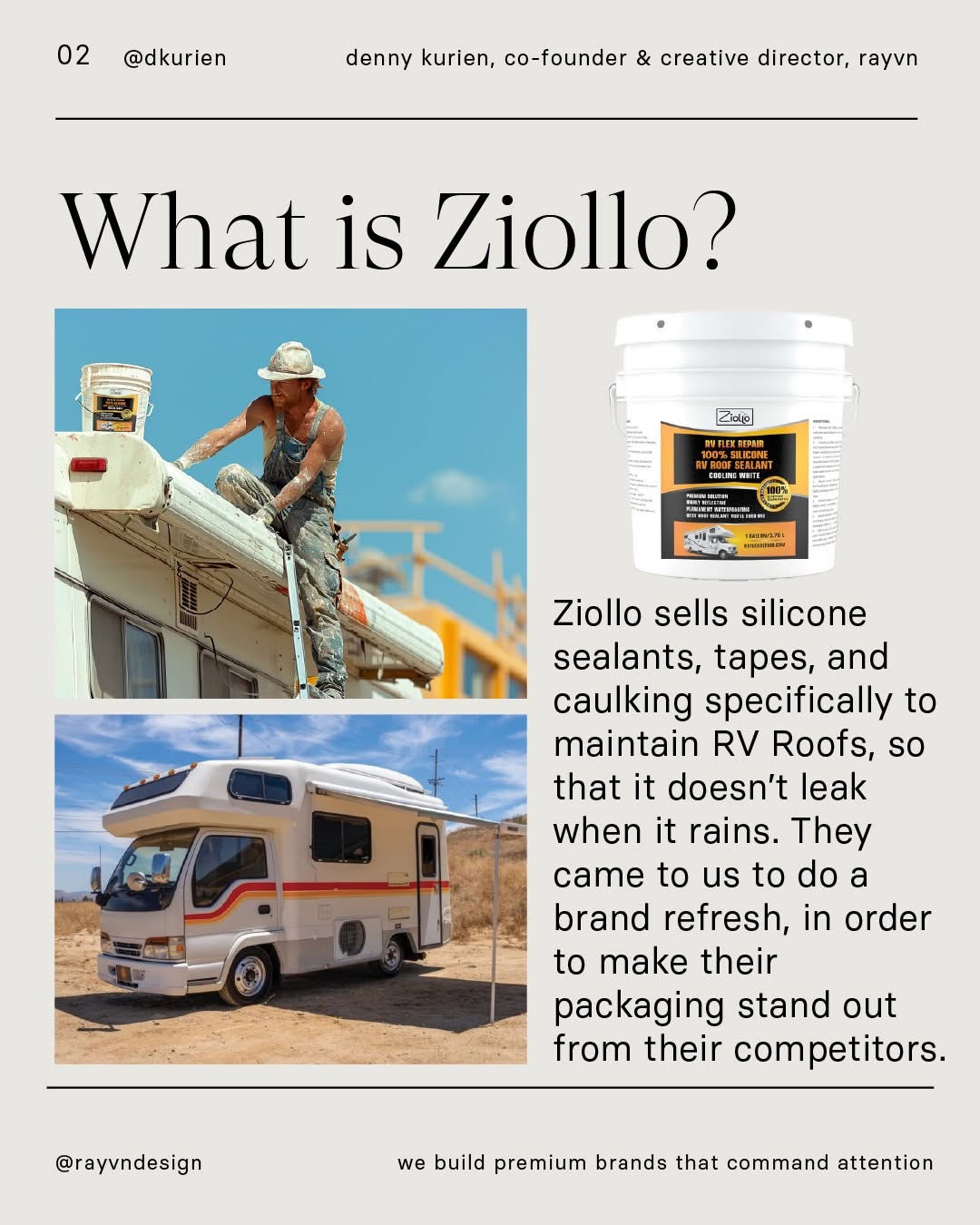
- The RV lifestyle photos shift the story from “stop leaks” to “protect your road-trip freedom.”
- Color blocking and big type trade cluttered features for a simple, confident feeling of reliability.
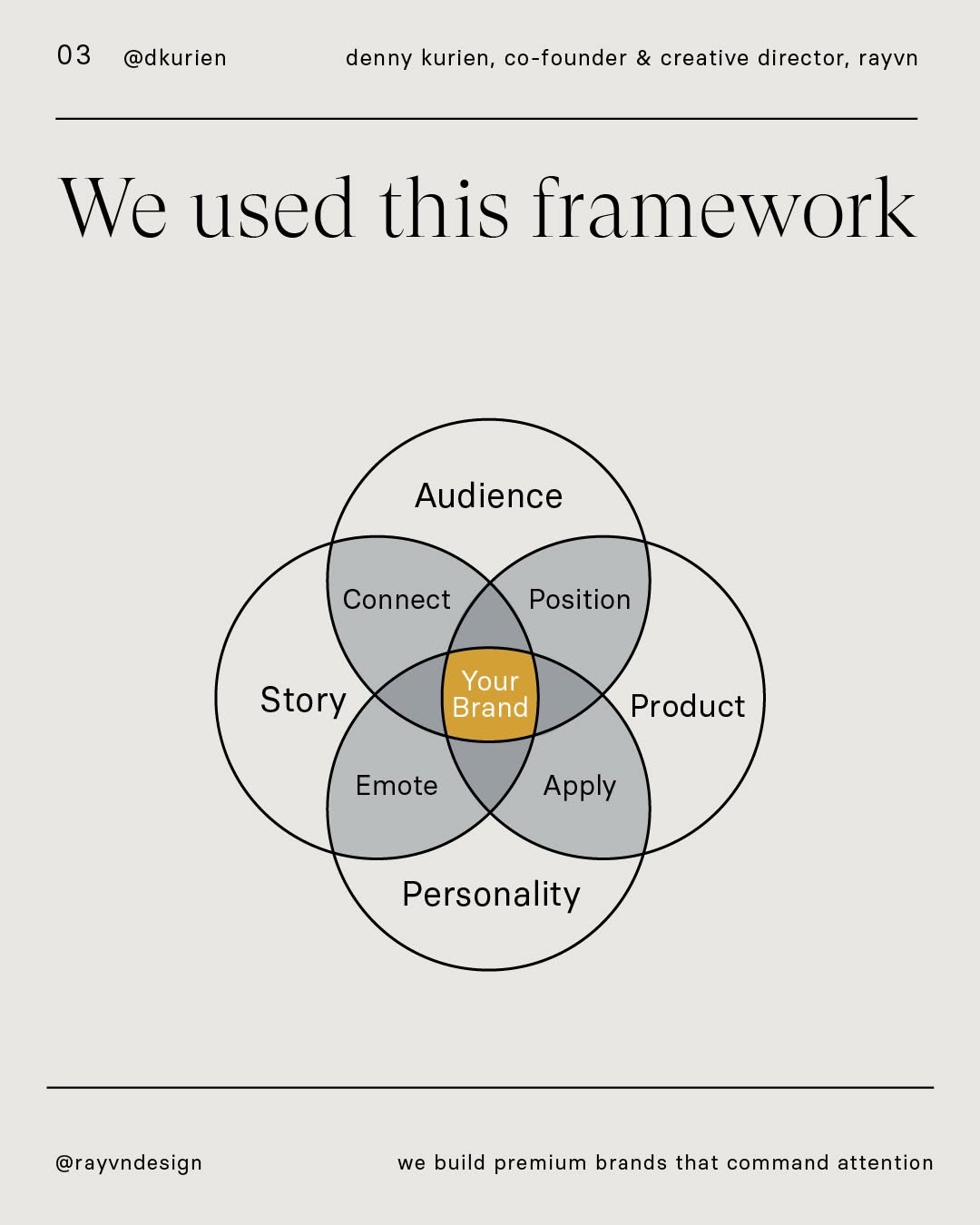
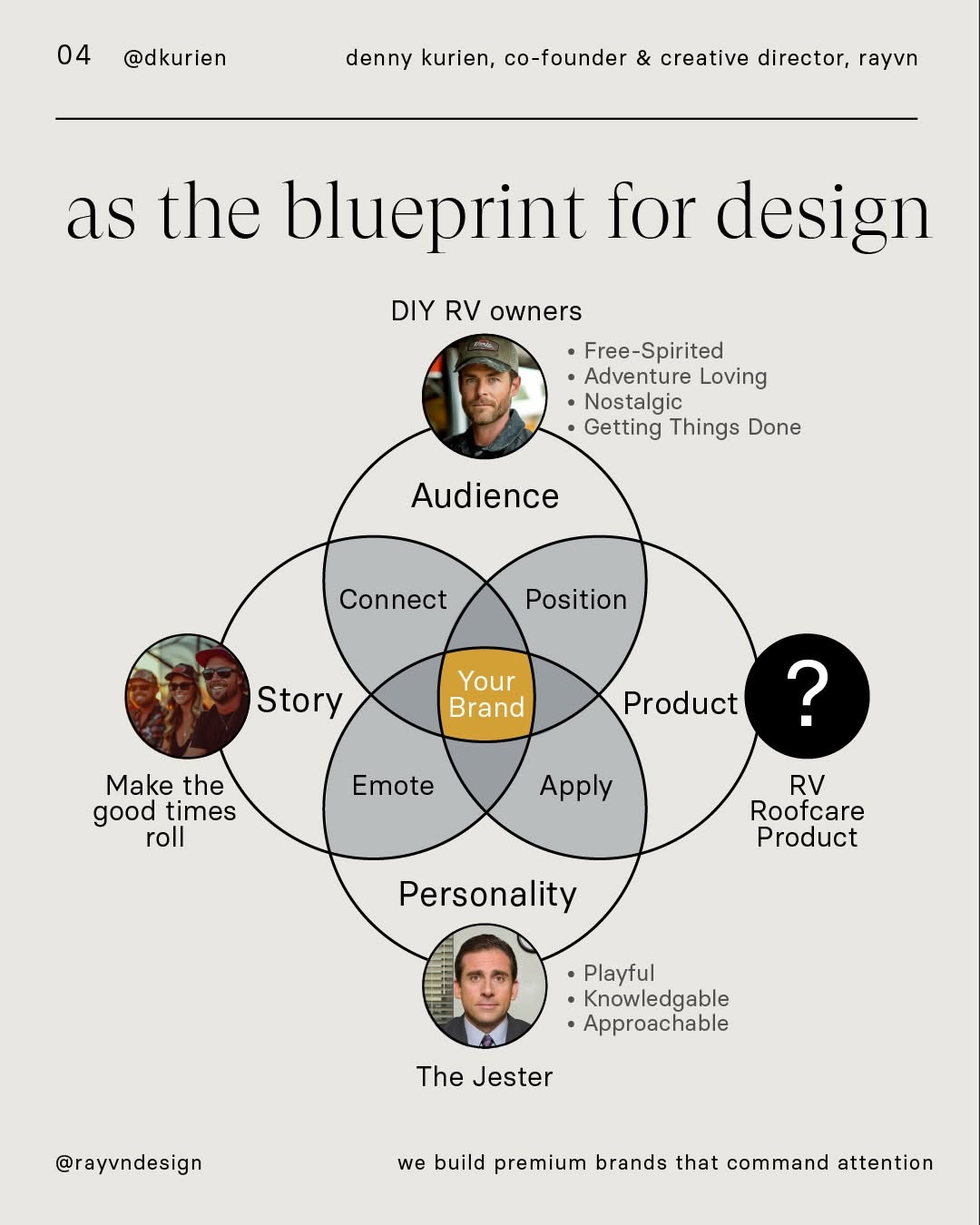
- The framework diagram puts “Your Brand” at the overlap of Audience, Product, Story, and Personality, forcing you to ask: what should customers feel first?
- By designing for nostalgia, adventure, and freedom, the packaging stops competing on function and starts commanding attention.
Brands that design feelings, not just products
Apple sells phones packed in slow-unboxing, matte-white jewelry boxes so the product feels like a luxury reveal, not a gadget purchase.
Yeti wraps ordinary coolers in rugged names, thick walls, and expedition imagery so every purchase feels like joining a tribe of serious outdoors people.
Creative Variations
Analyzed by Swipebot
Loading analysis...
.png?width=3840&quality=80)