Beware AI Foam: Trusted Voices Losing Substance
Published on

dharmesh
@dharmesh·Nov 1
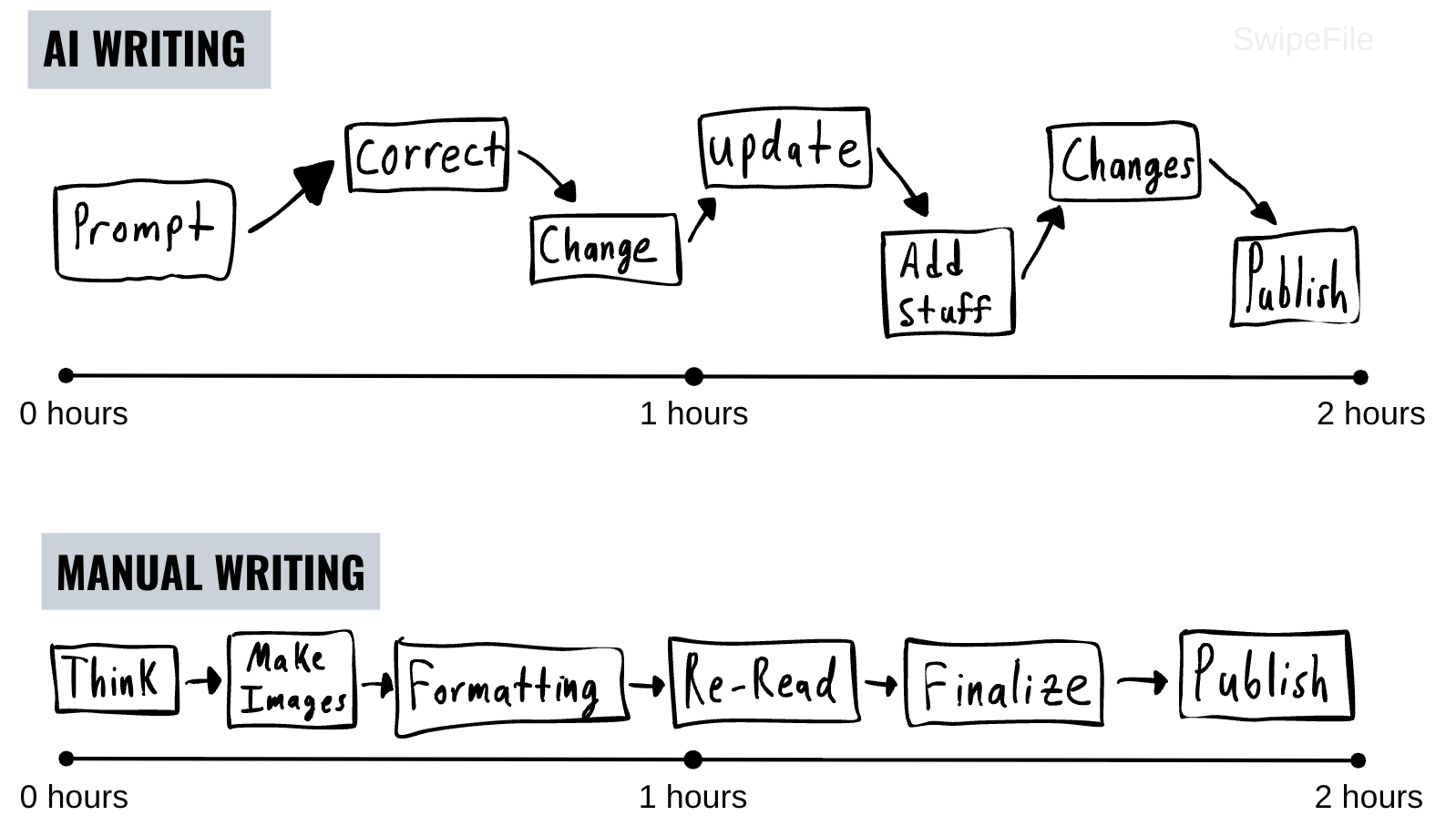
What I dislike more than AI Slop is what I call "AI Foam".
It's when generally smart, insightful people send you something that is clearly AI generated and lacks their usual sharp insight or point of view.
AI slop is easy to ignore because it's often just random people posting random stuff online -- often as content or comments.
AI foam is more insidious because these are people you *know* and respect and you know they're capable of critical thinking and clear communication.
I call it AI Foam because it lacks shape and substance.
AI slop is easy to spot. It’s the generic junk clogging feeds everywhere. But the dangerous stuff is what Dharmesh calls “AI Foam” — when the smartest people you know start sounding like a fluffy, formless bot. This post is about protecting your voice, your credibility, and your signal in a world full of foam.
What “AI Foam” Actually Is
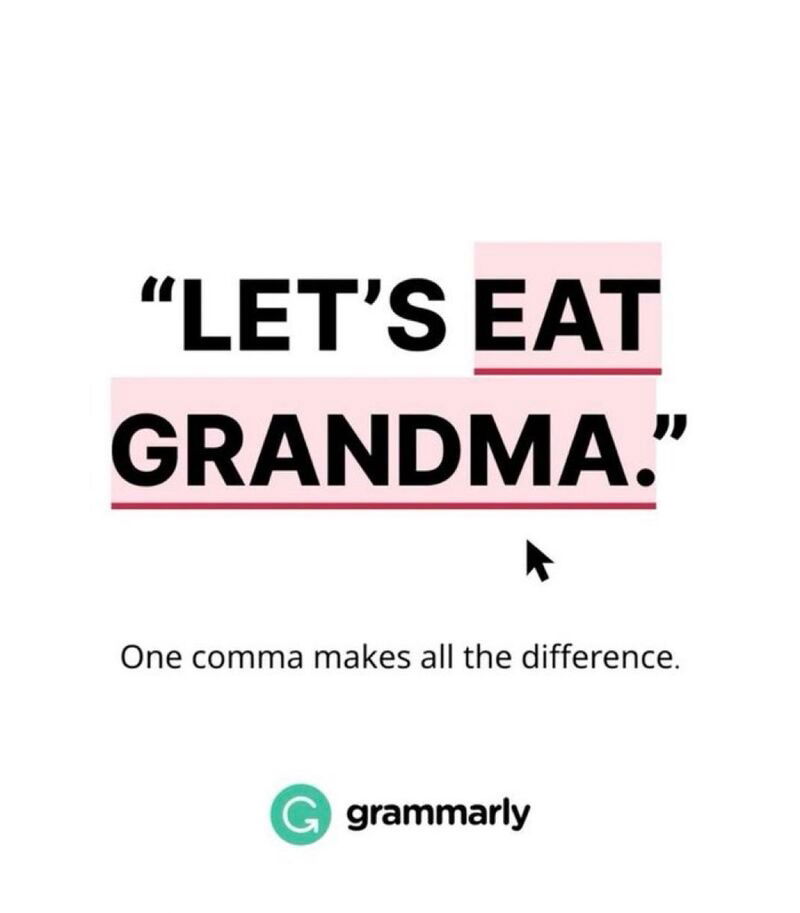
AI Foam isn’t just bad writing. It’s when normally sharp, original thinkers hit “generate,” copy-paste the output, and ship it without adding their own point of view. The result looks polished on the surface but has no real edge, no story, no stakes. It reads like them, but emptier. That’s why it’s so sneaky: you trust the sender, so you lower your guard and let the foam in.
The Real Risk: Trusted Voices Losing Their Edge
When random accounts post AI slop, you scroll past and forget it. When trusted people send you AI Foam, something more dangerous happens: you stop expecting sharp thinking from them. Over time, their reputation shifts from “insightful” to “content machine.” The opportunity is wide open for anyone willing to keep doing the hard, slightly uncomfortable work of actually thinking, then using AI as a tool—not a mask.
How To Avoid Becoming Foam
- Use AI as a rough draft, then add one strong, specific opinion that only you could write.
- Before you publish, ask: “What’s the sharpest sentence here?” If you can’t find one, you’re in foam territory.
- Cut any paragraph that would still make sense with someone else’s name on it.
- Add a personal proof: a story, a number, or a scar that came from your own experience.
- Limit AI to helping with clarity and structure, not with deciding what you actually think.
Brands That Keep Their Voice While Using AI
HubSpot uses AI to speed up content production but still layers in founder stories, customer data, and specific marketing frameworks that clearly reflect the company’s own playbook.
Basecamp publishes opinionated posts that might use AI for editing, but the core message stays sharp, contrarian, and unmistakably in the company’s own voice.
Analyzed by Swipebot
Loading analysis...